Typography & Patterns
Six patterns. Three art prints. Black and white only. A vocabulary small enough to fit on a napkin, applied to letterforms large enough to fill a wall.
Field Typography Design Pattern Design Art Direction
Author Jeremy Prasatik Published: 2023 Status: Complete
Classification Typography Design Pattern Design Art Direction Print
Abstract
Personal work built on a single question: how much visual range can a handful of patterns produce? Strip everything back. No color. No photography. No gradients. Black ink, white paper, six repeating elements simple enough for a child to draw.
Dots, lines, stripes, diamonds. Arranged in grids, varied in scale, alternated between positive and negative. The patterns fill letterforms, break outside them, stack into backgrounds, build rhythm across compositions. Three lithographs, each pulling from the identical library but arriving somewhere different.
Without color, density does the tonal work. A tight dot grid reads dark. A sparse one reads light. Scale determines what the eye processes first. Spacing sets the mood. Every decision in the composition carries more weight because there are fewer decisions to make.
Six Patterns. One Restriction.
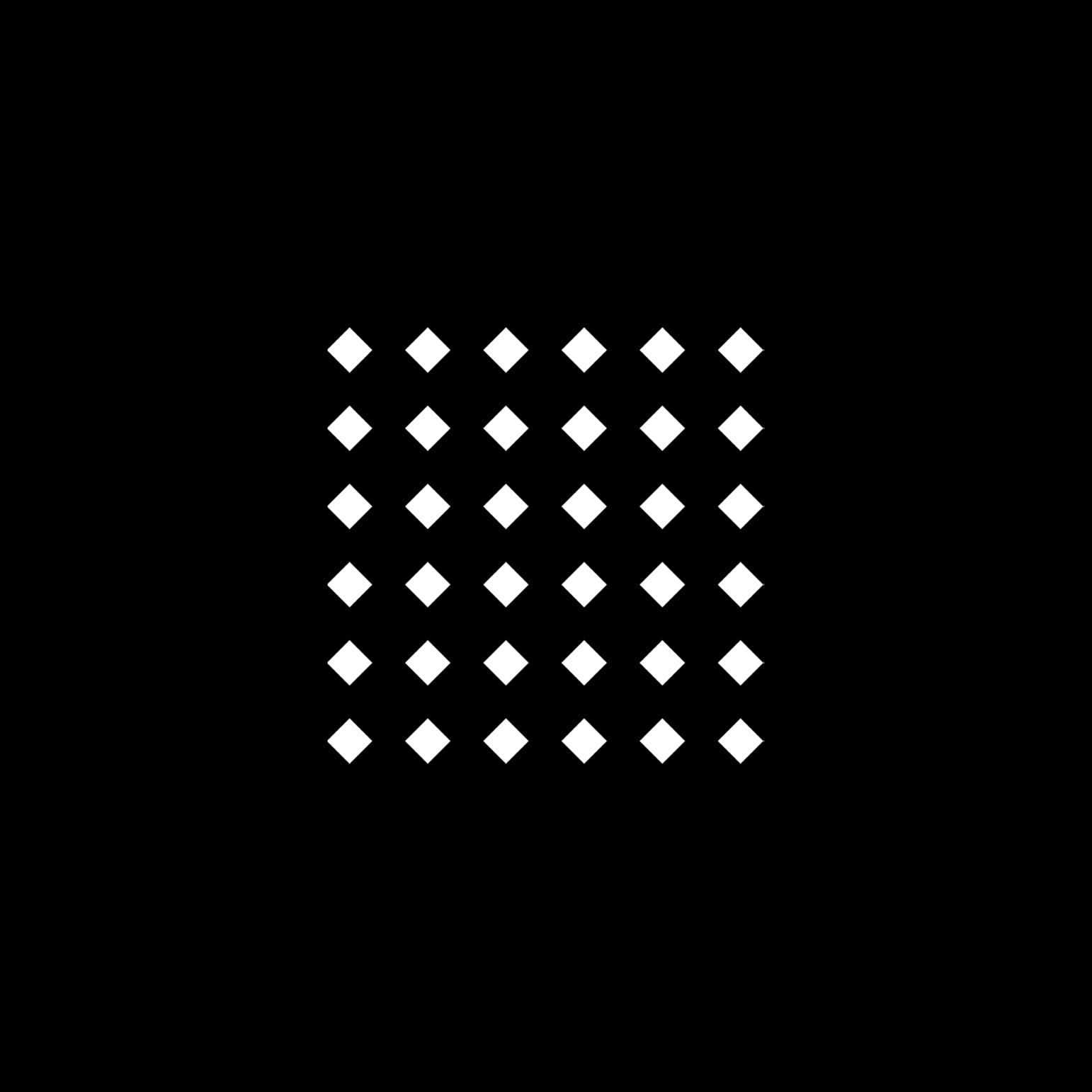
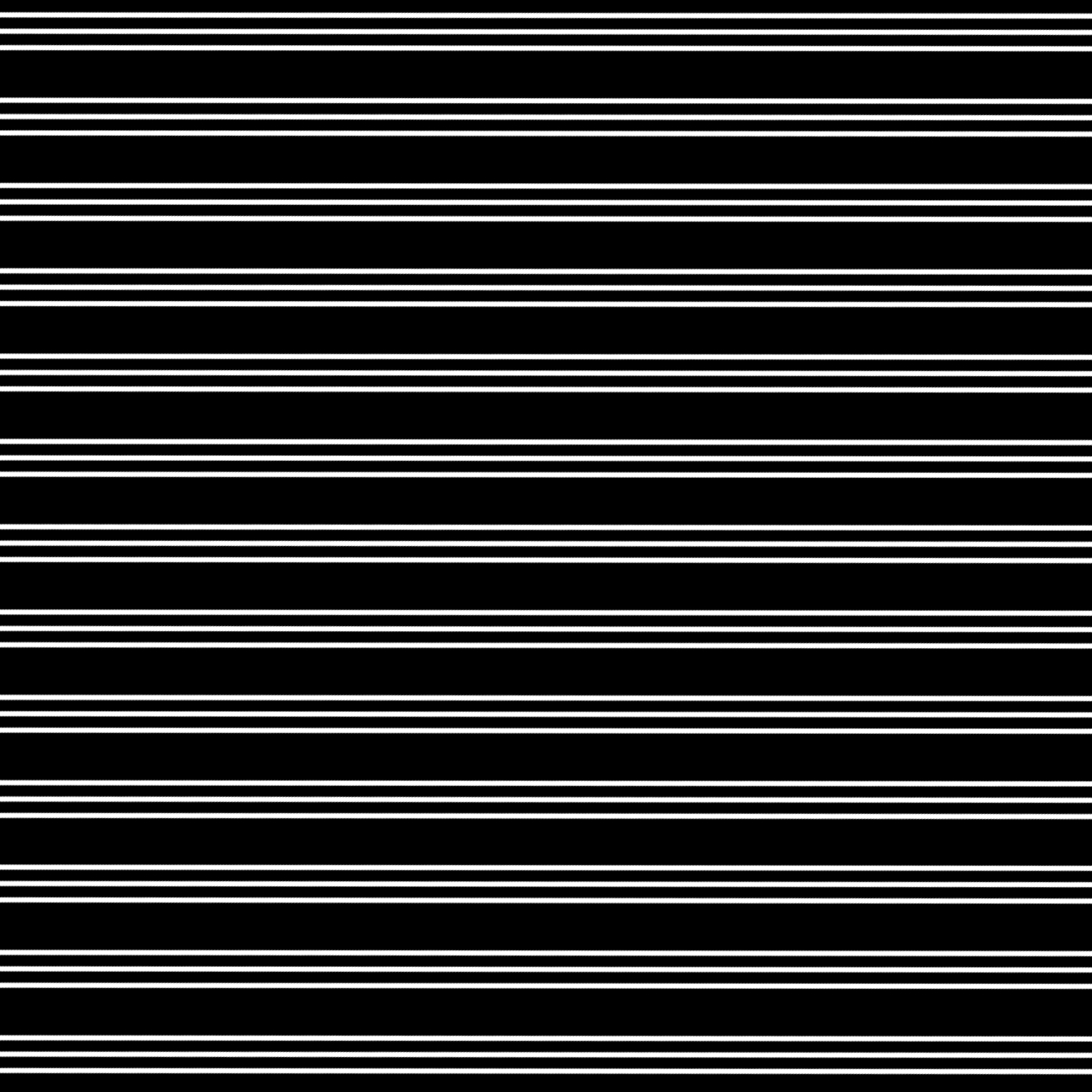
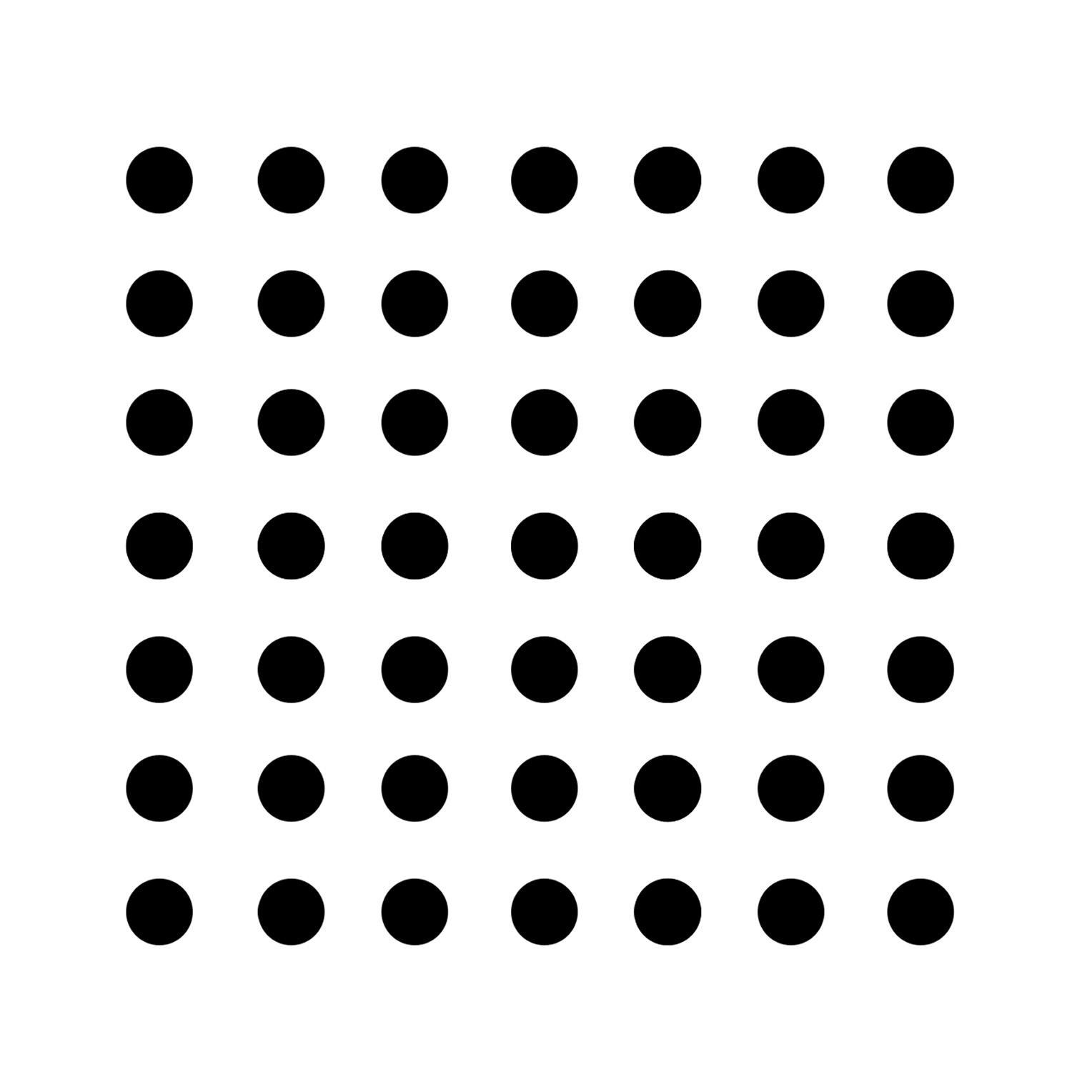
Dots. Lines. Stripes. Diamonds. Horizontal, vertical, diagonal. The entire vocabulary fits in a grid smaller than a business card. Varied only in density and scale. Black on white or white on black. Nothing else enters the frame.
Each pattern swatch is a self-contained tile. Repeatable in any direction, at any scale. The system works because the elements are primitive enough to combine without clashing. Complexity comes from layering, not from the ingredients.
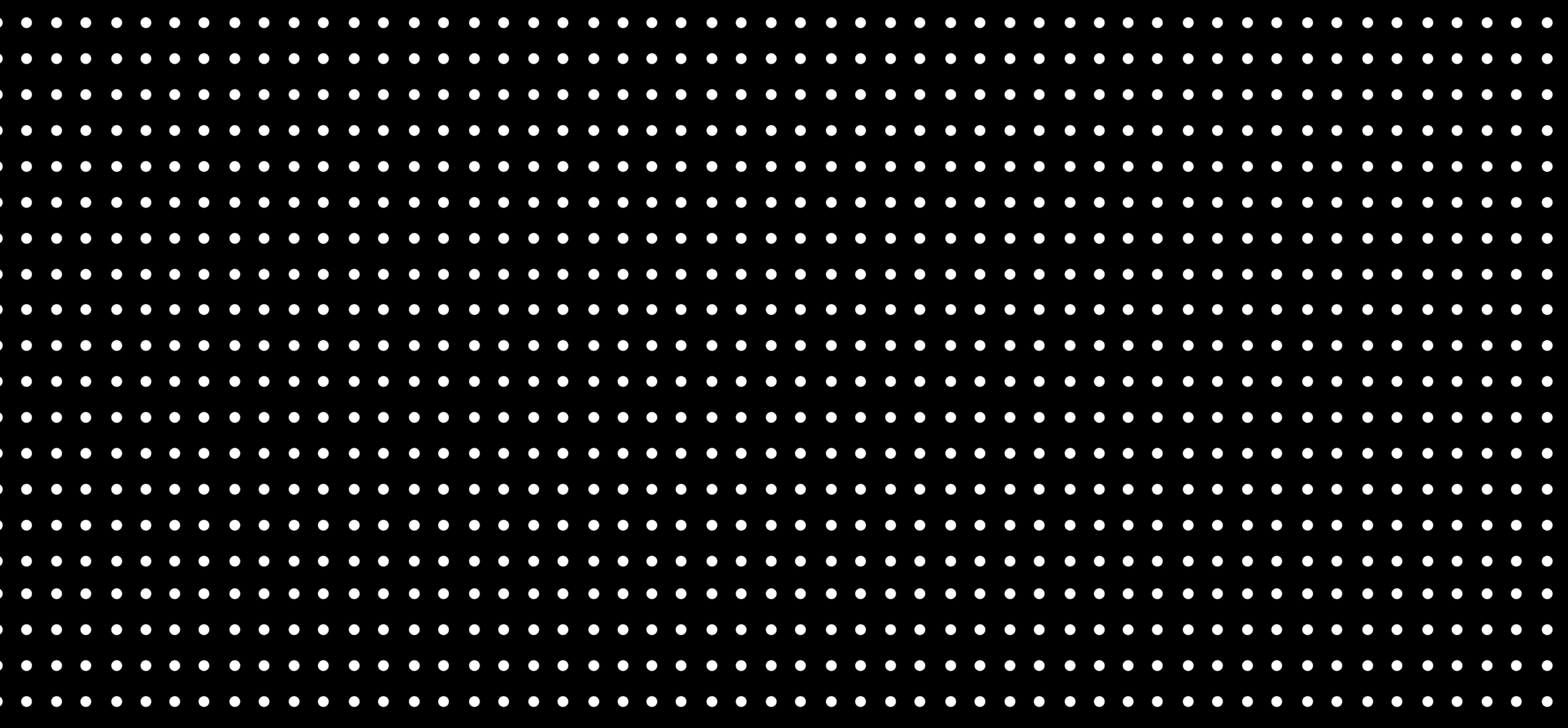
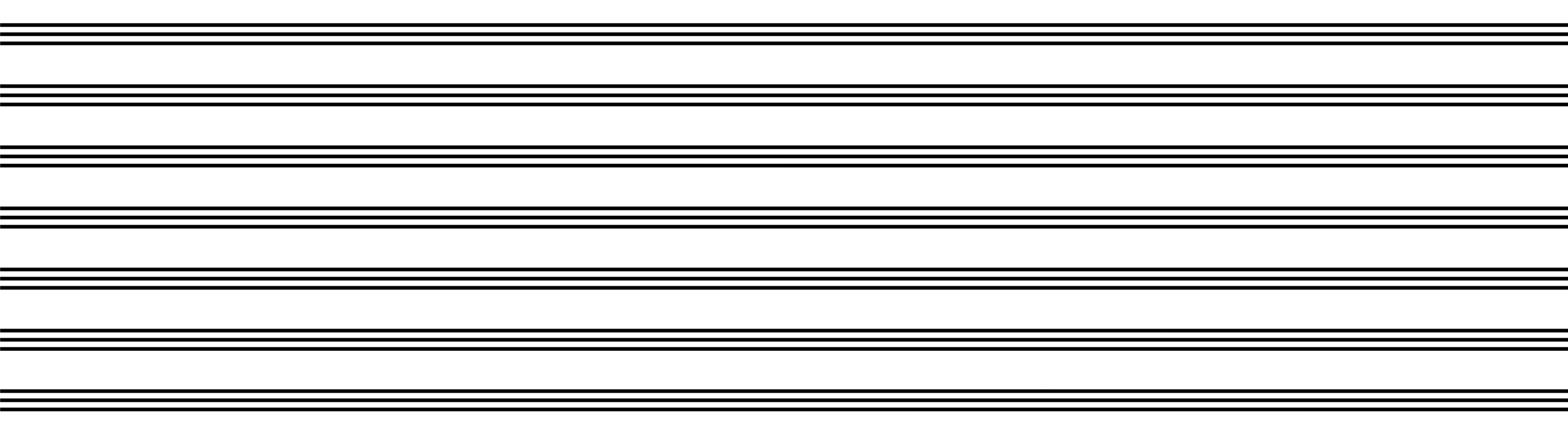
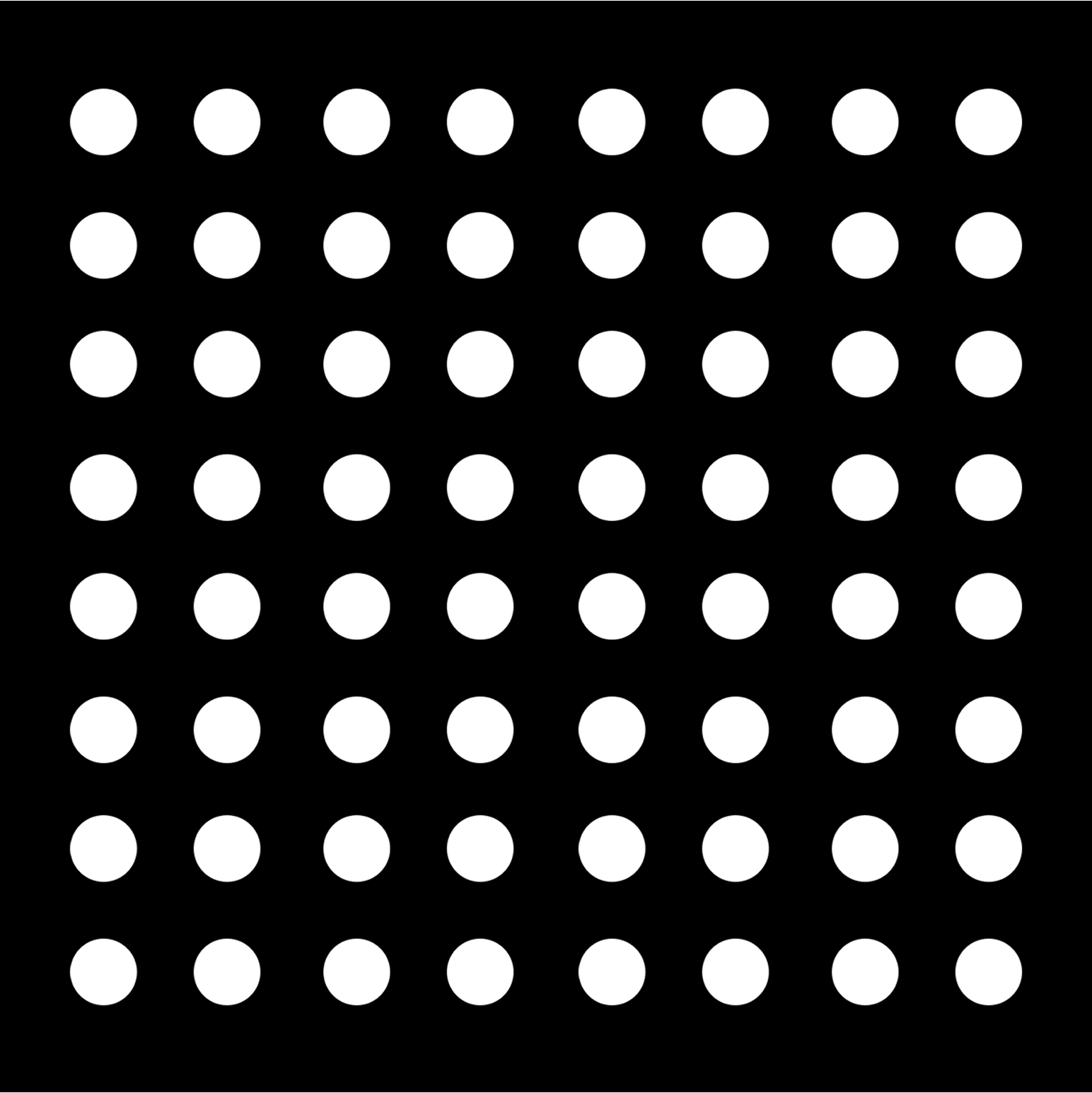
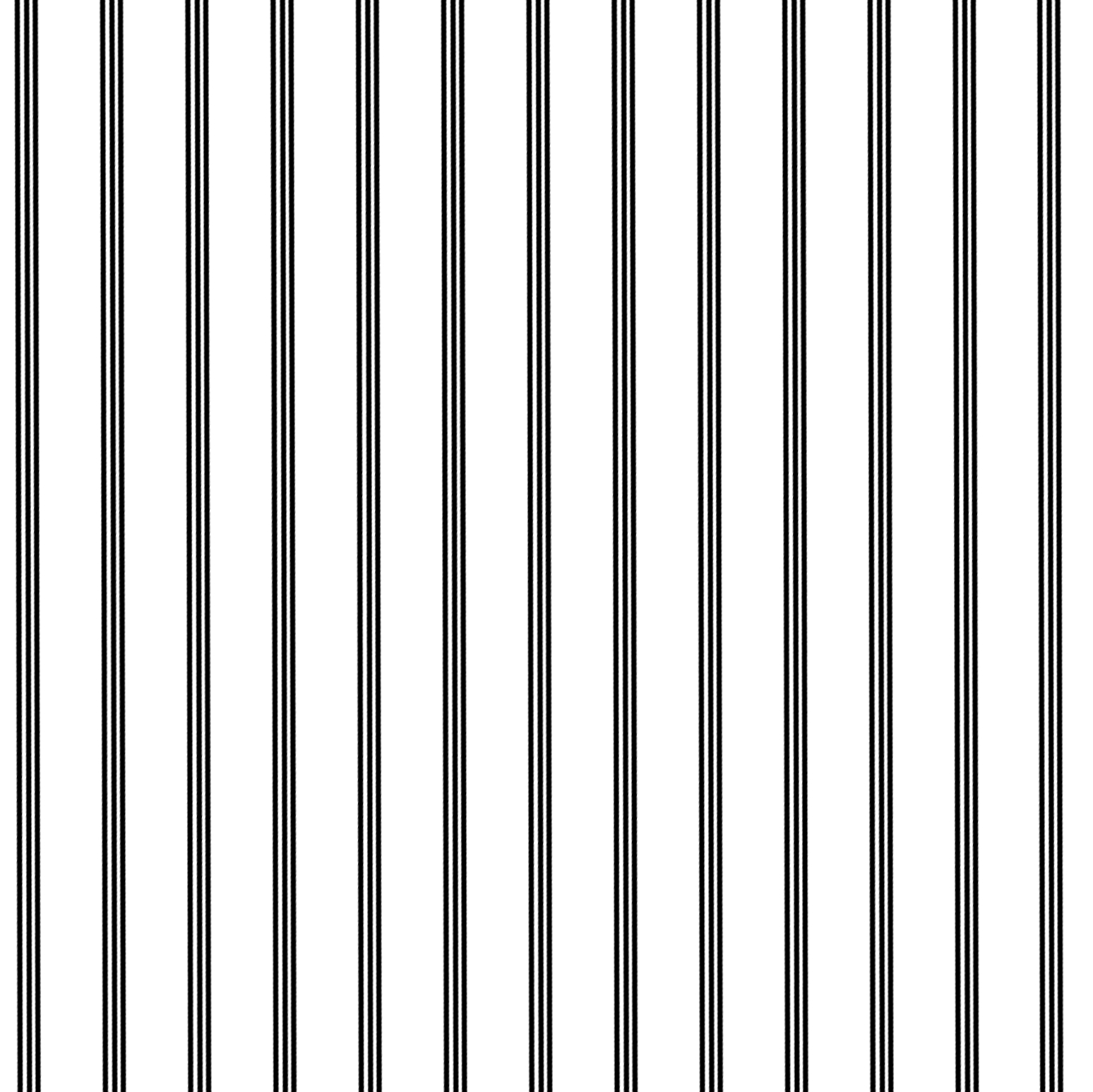
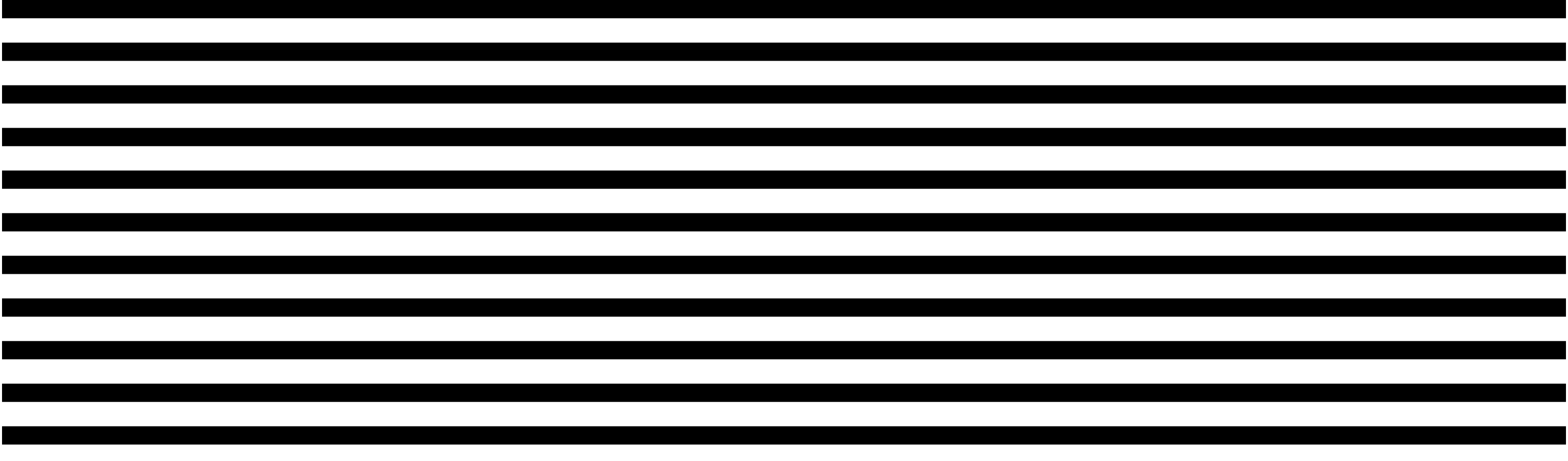
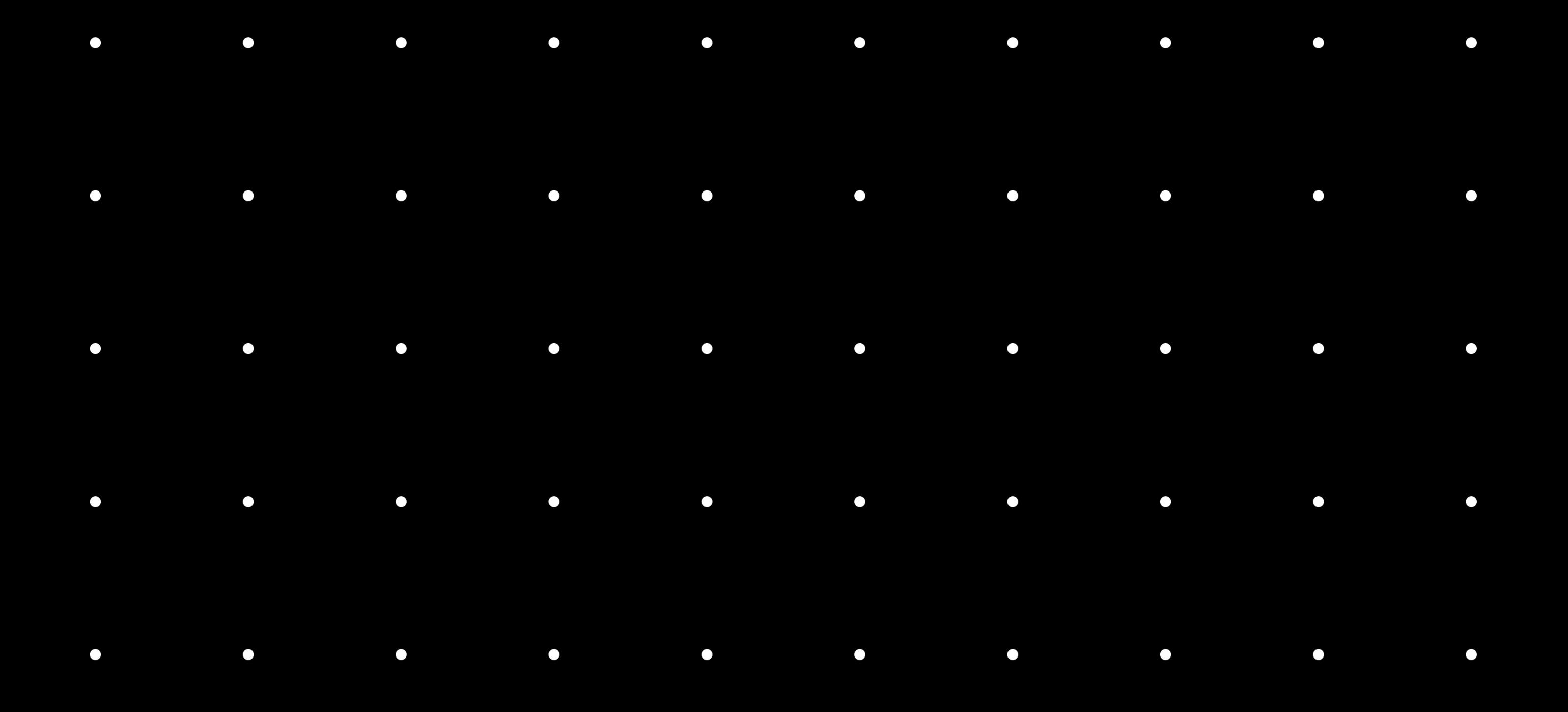
Dots at two scales: dense halftone and open grid. Lines in three orientations: vertical hairlines, horizontal bands, diagonal stripes. Diamonds in a single repeating grid. Six elements.
Each exists as both positive and negative. Black dots on white, white dots on black. The inversion doubles the library without adding a new shape. Twelve tiles total. That covers every texture in the project.
Removing color removed the easiest tool in the drawer. Color separates, organizes, creates hierarchy almost automatically. Without it, density does the work. A tight dot grid reads darker than an open one. Thick stripes push forward. Thin hairlines recede.
Contrast had to be structural instead. Heavy geometric letterforms against flowing calligraphic strokes. Dense fills against empty white space. Tension built from shape and rhythm alone.
"the Fancy." "stepper." "white." Each word rendered in a different typographic style. Script, geometric, mixed.
One layers flowing cursive across the full frame. Another stacks bold capitals into a tight vertical. The third mixes calligraphic flourishes with architectural serifs. The pattern library stays constant. The compositions diverge. Different results because the type carries the personality. The patterns carry the texture.
Twelve Tiles
Dots at two scales: dense halftone and open grid. Lines in three orientations: vertical hairlines, horizontal bands, diagonal stripes. Diamonds in a single repeating grid. Six elements.
Each exists as both positive and negative. Black dots on white, white dots on black. The inversion doubles the library without adding a new shape. Twelve tiles total. That covers every texture in the project.
No Color
Removing color removed the easiest tool in the drawer. Color separates, organizes, creates hierarchy almost automatically. Without it, density does the work. A tight dot grid reads darker than an open one. Thick stripes push forward. Thin hairlines recede.
Contrast had to be structural instead. Heavy geometric letterforms against flowing calligraphic strokes. Dense fills against empty white space. Tension built from shape and rhythm alone.
Three Words
"the Fancy." "stepper." "white." Each word rendered in a different typographic style. Script, geometric, mixed.
One layers flowing cursive across the full frame. Another stacks bold capitals into a tight vertical. The third mixes calligraphic flourishes with architectural serifs. The pattern library stays constant. The compositions diverge. Different results because the type carries the personality. The patterns carry the texture.
Script Meets Geometric Fill
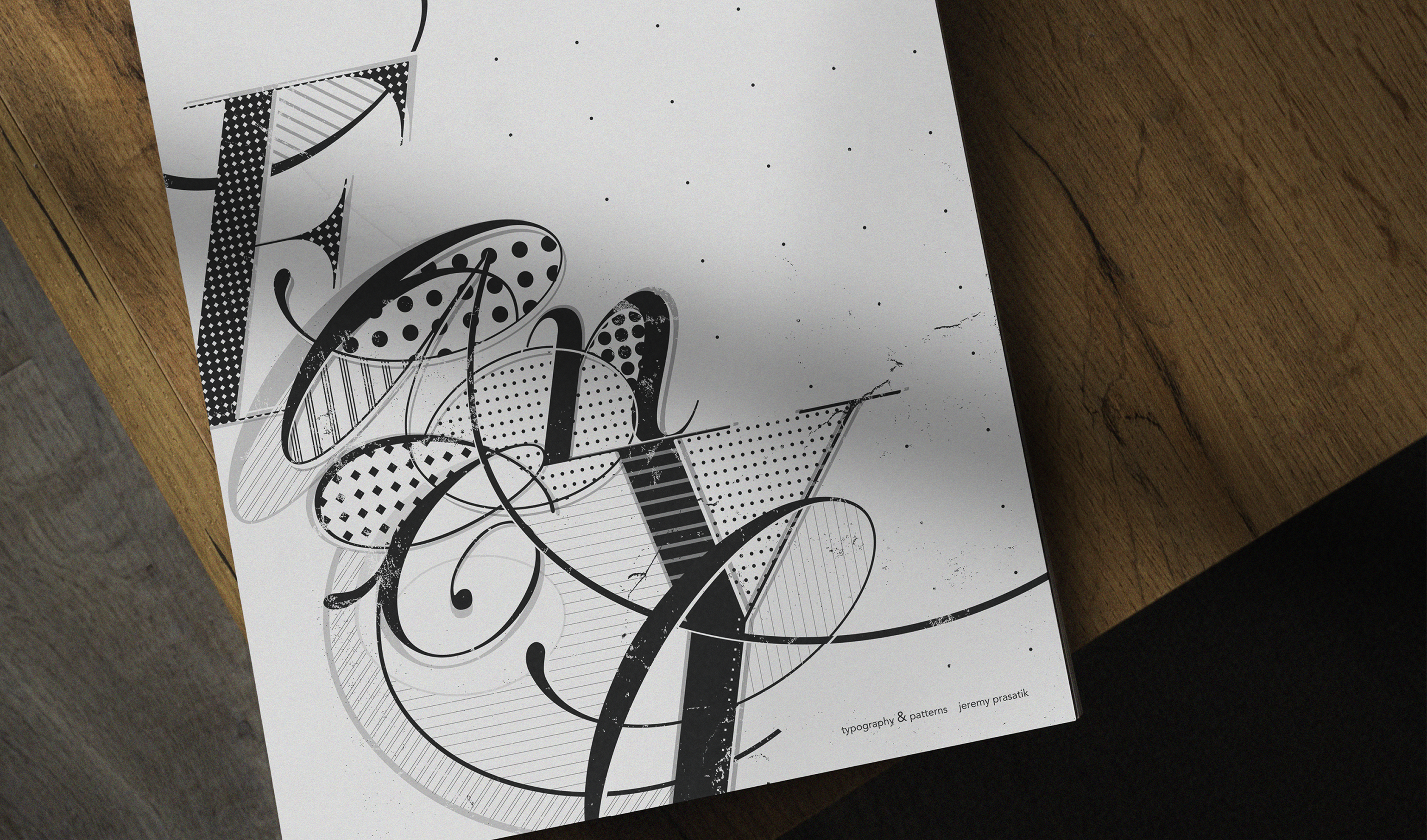
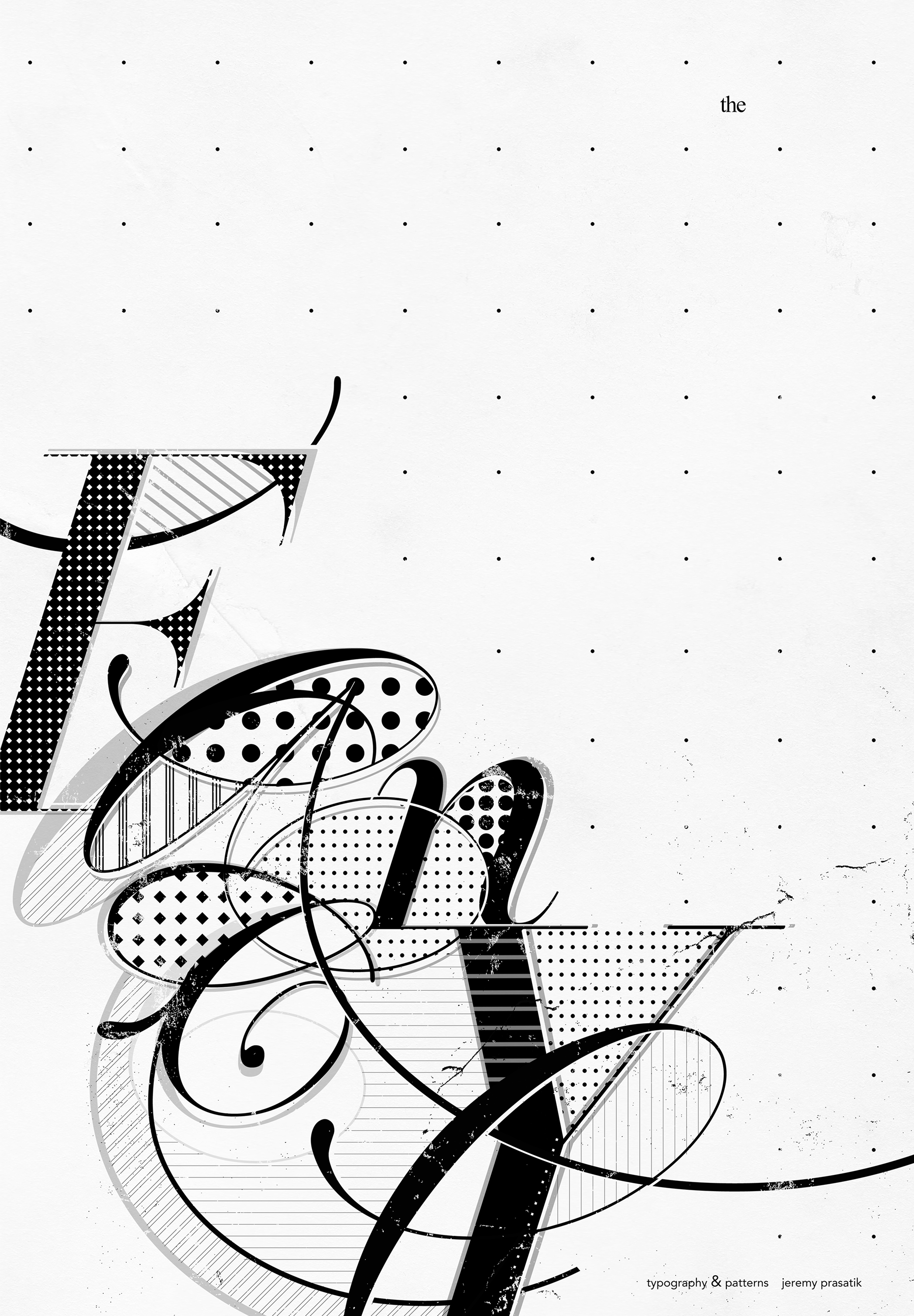
Flowing calligraphic letterforms anchored in the lower-left corner. The script runs loose, swashes extending past the composition edge. Pattern fills give each stroke a different weight and texture. The dot grid background provides spatial depth against the density of the type.
The print reads "the Fancy" in a Didone-influenced script. Every letterform gets a different pattern fill: polka dots in the bowl of the 'a,' diagonal stripes in the crossbar of the 'F,' vertical hairlines in the descender of the 'y.' Six elements, rearranged. The word comes alive.


Dots, lines, stripes, diamonds. The whole vocabulary.

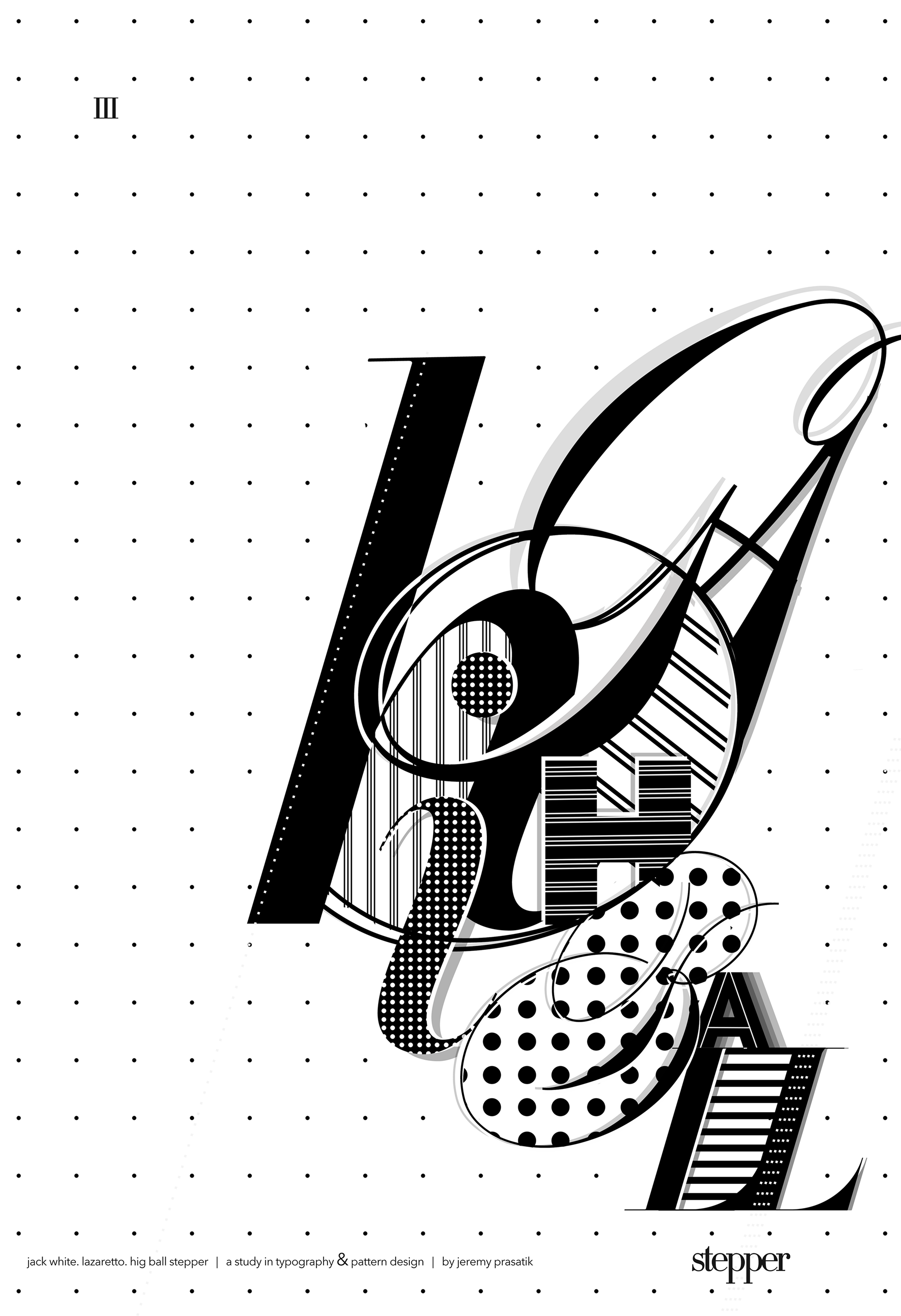
Vertical Stack. Bold Geometry.
A tighter composition. The letterforms stack vertically, filling the frame from edge to edge. Geometric serifs and slab capitals mix with script elements that weave between them. The pattern fills shift from the first print: what was background becomes foreground.
The density increases. Where "the Fancy" floated in white space, "stepper" packs the frame. Large-scale polka dots fill a capital 'E.' Diagonal stripes cut across a slab-serif 'R.' The same vocabulary at higher visual volume. The patterns that read as delicate in the first print read as bold here because the letterforms demand it.


Same six elements. Three different rooms to stand in.

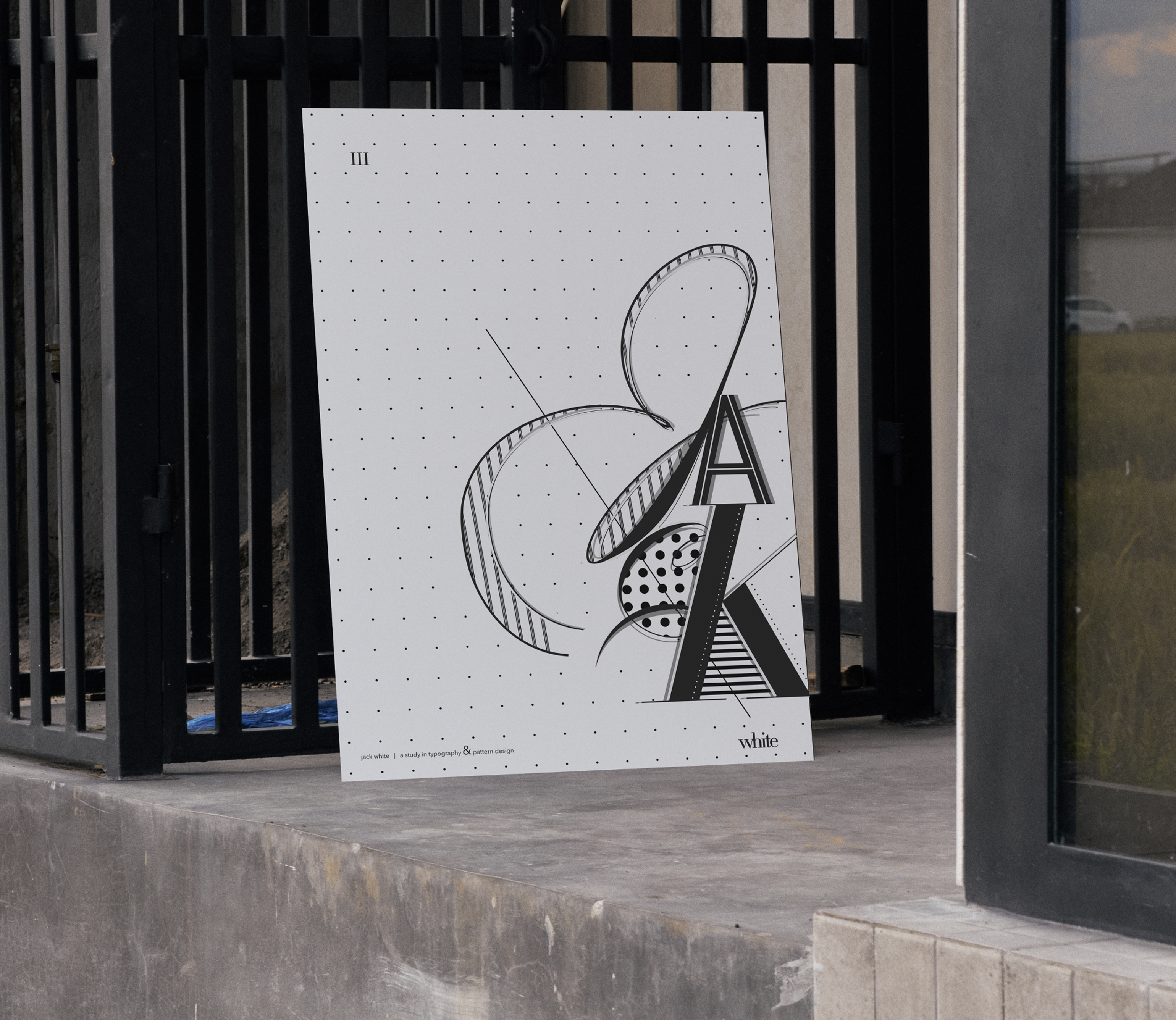
Calligraphic Sweep. Architectural Anchor.
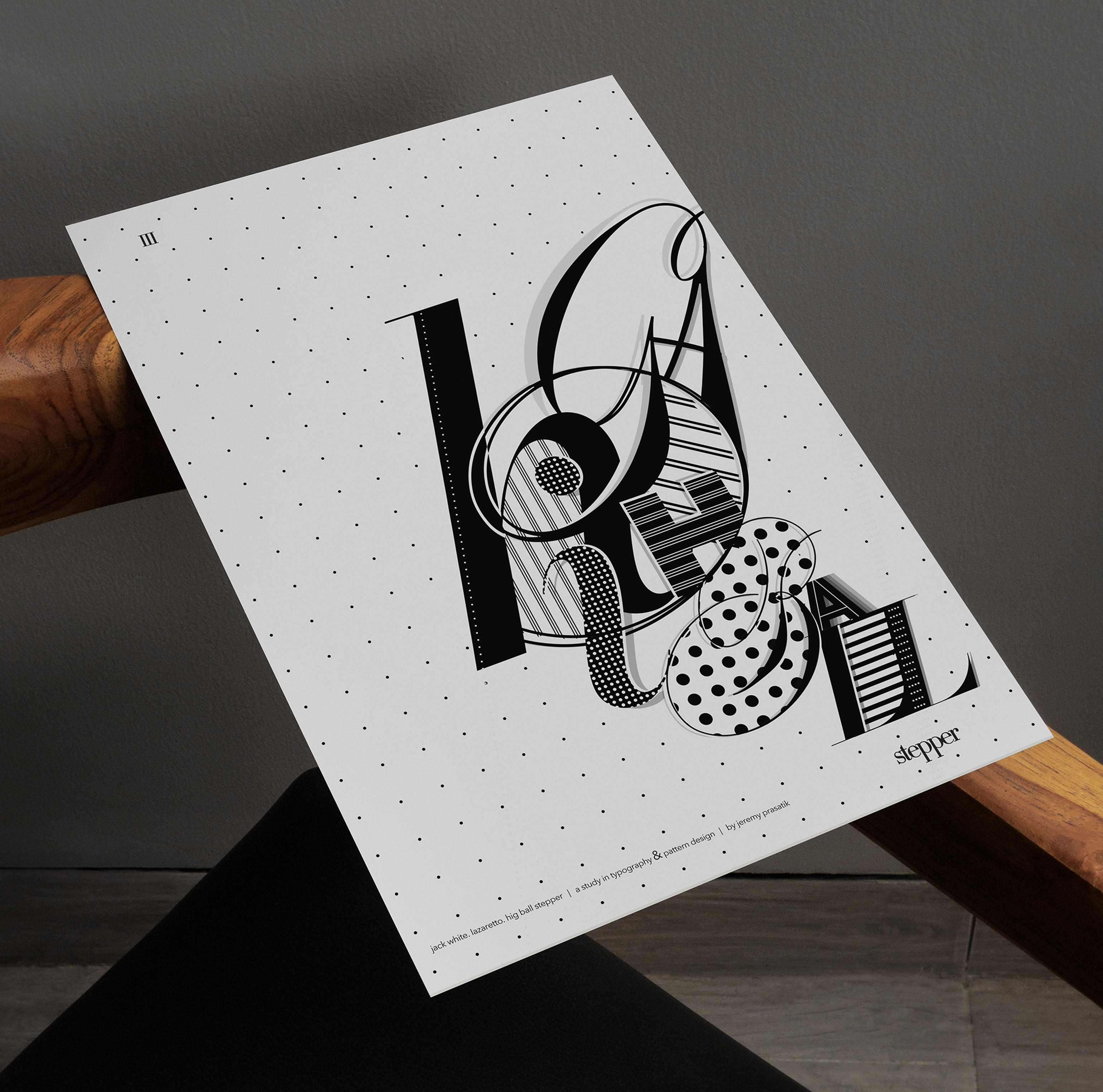
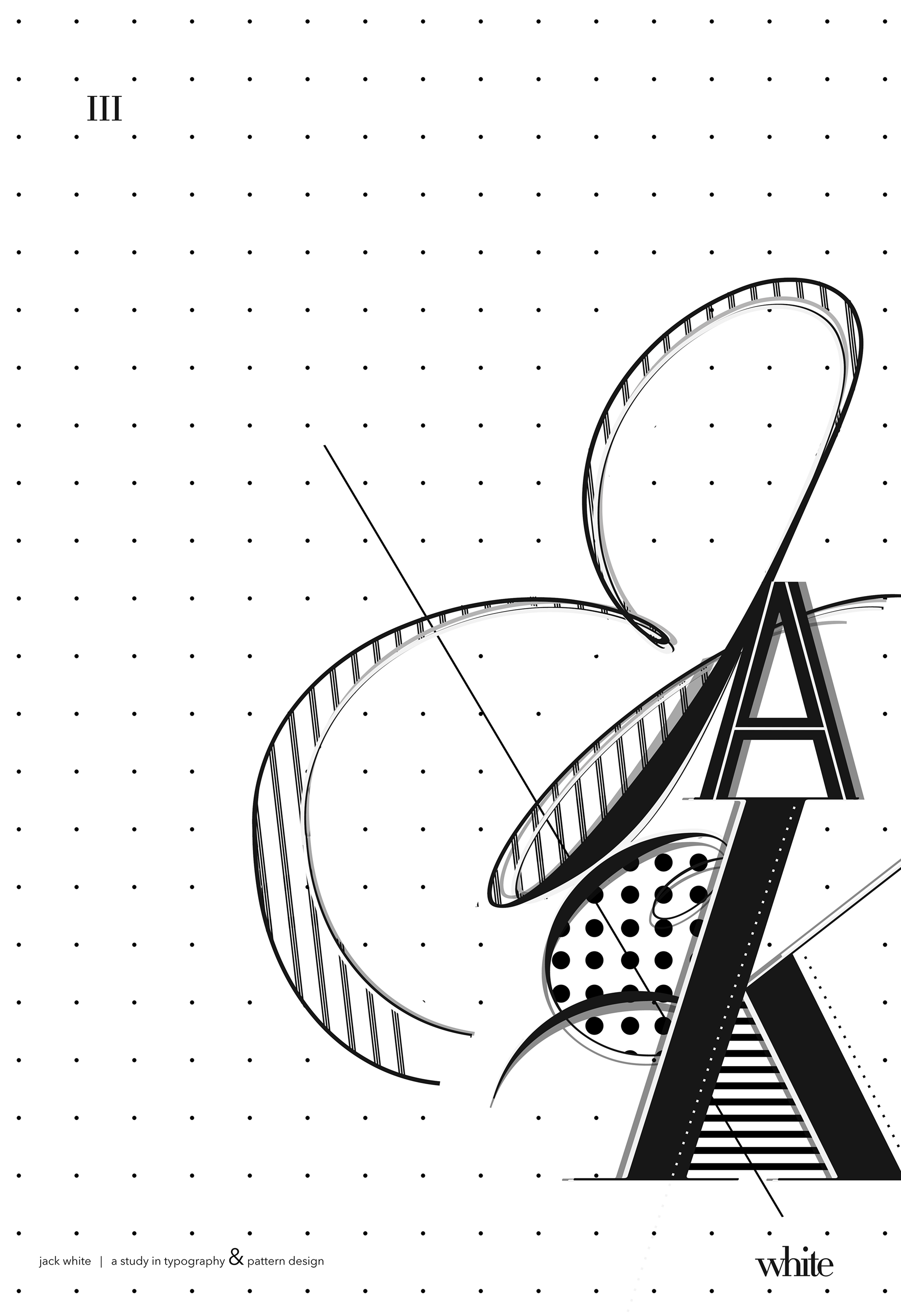
The third composition splits the difference. Sweeping calligraphic strokes fill the upper portion of the frame, thin enough to feel like drawing. A geometric 'A' and a slab 'K' anchor the lower right. The collision between handmade gesture and mechanical precision is the point.
The dot grid background is the most open of the three prints. Sparse pinpoints on a wide field. The white space does the most work here, giving the calligraphic strokes room to breathe while the geometric letters sit heavy at the bottom. Pattern fills are selective. Not every stroke gets filled. The restraint makes the filled elements land harder.


Same Ingredients. Different Meals.
The interesting part isn't any single print. It's what happens when the same six elements get rearranged. The vocabulary never changes. The results do.
Each print uses all six patterns. The difference comes from where they land, how large they scale, and how much white space surrounds them. Composition is the only variable. That's enough to make three pieces that don't look like they came from the same library.
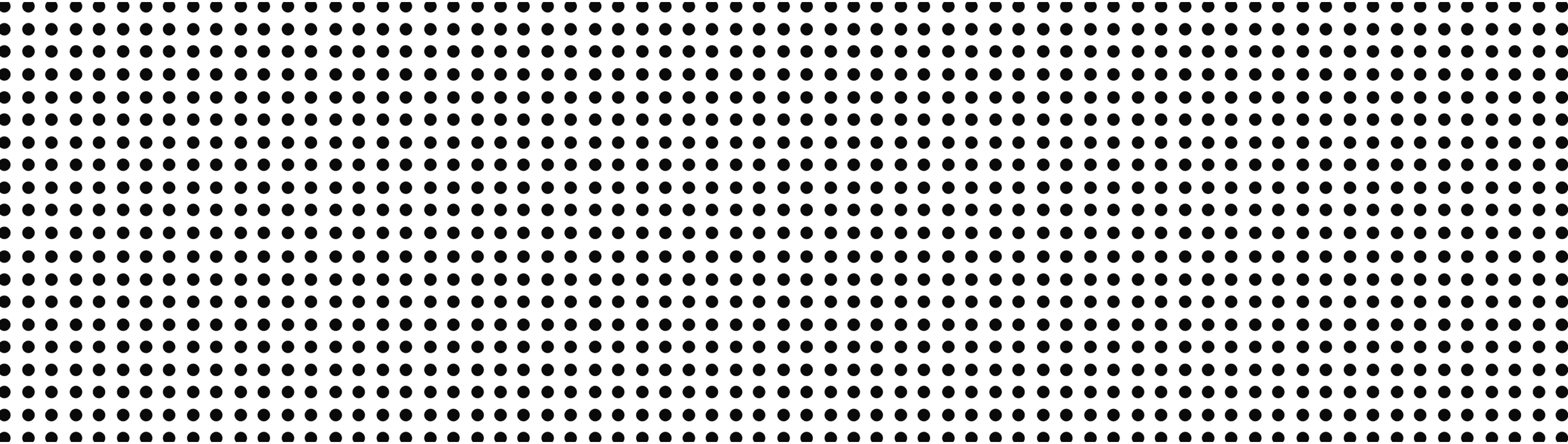
Appears in all three prints. In "the Fancy" it covers the background at a fine scale. Reads as a light gray texture, almost like paper grain. Recedes behind the script.
In "stepper" the same dots blow up to fill a capital E. At that scale, each dot is an event. The pattern that disappeared into the background of the first print becomes the loudest element in the second.
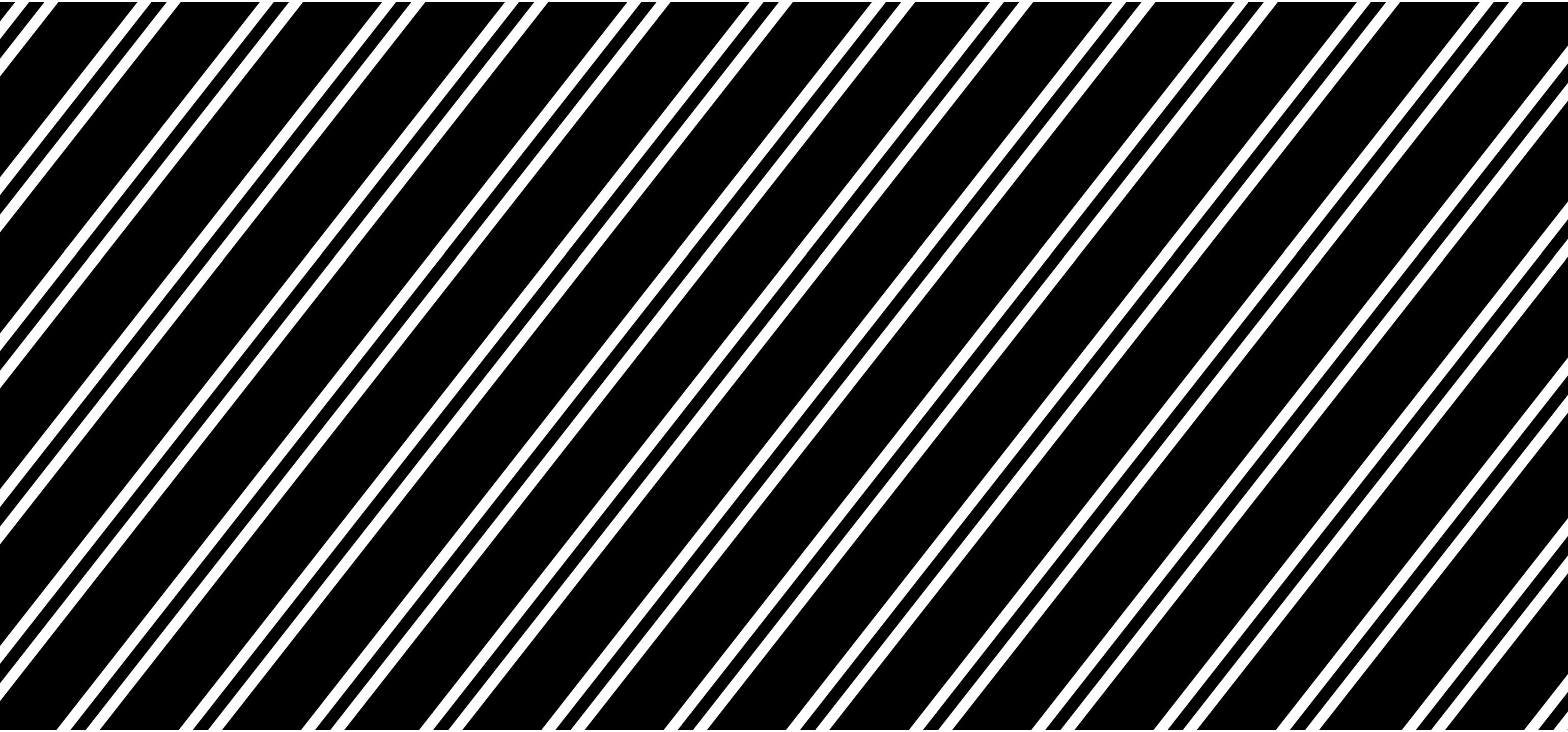
Cut across the crossbar of the F in "the Fancy." A small detail, barely noticed in the full composition. In "stepper" those stripes fill a slab-serif R from top to bottom. The angle creates visual speed against the vertical stack of letters around it.
Same stripe. Same 45-degree angle. Same line weight. Two completely different reads based on how much surface it covers.
"the Fancy" is mostly air. The letterforms cluster in the lower left and the rest of the frame breathes. "stepper" fills edge to edge. No breathing room. "white" splits the difference: open background, dense cluster at the bottom.
Three different ratios of ink to paper. The patterns don't change between them. The ratio of filled to empty is what separates the quiet print from the loud one.
The Dot Grid
Appears in all three prints. In "the Fancy" it covers the background at a fine scale. Reads as a light gray texture, almost like paper grain. Recedes behind the script.
In "stepper" the same dots blow up to fill a capital E. At that scale, each dot is an event. The pattern that disappeared into the background of the first print becomes the loudest element in the second.
Diagonal Stripes
Cut across the crossbar of the F in "the Fancy." A small detail, barely noticed in the full composition. In "stepper" those stripes fill a slab-serif R from top to bottom. The angle creates visual speed against the vertical stack of letters around it.
Same stripe. Same 45-degree angle. Same line weight. Two completely different reads based on how much surface it covers.
White Space
"the Fancy" is mostly air. The letterforms cluster in the lower left and the rest of the frame breathes. "stepper" fills edge to edge. No breathing room. "white" splits the difference: open background, dense cluster at the bottom.
Three different ratios of ink to paper. The patterns don't change between them. The ratio of filled to empty is what separates the quiet print from the loud one.
Three Prints. Six Patterns.
Personal work. No client. No brief. No deadline. Just a question about how far a small set of rules could stretch.
Services
Typography Design
Pattern Design
Art Direction
Stack
Adobe Illustrator
Adobe Photoshop
Links
The pattern set is almost childlike. Dots, lines, stripes, diamonds. The type is the opposite. Didone serifs, calligraphic flourishes, slab capitals with presence. The tension between the two is what makes the prints hold up at large scale.
Black and white was the only rule that never bent. No gray. No texture photography. No gradients blending one value into another. Ink or paper. On or off. The binary forced every composition to find its tone through spacing alone.