Interior design, kitchens and custom homes.
The projects in this section are custom homes, kitchens, and baths. The work covers space planning, material and fixture selection, and the construction documentation a builder works from.Field Custom Homes Kitchens Baths
Author Jeremy Prasatik Active Since: 2012 Status: Designing
Classification Spatial Design Material Selection Construction Documentation Lighting Plans
Hill Country home
Interior design, living room
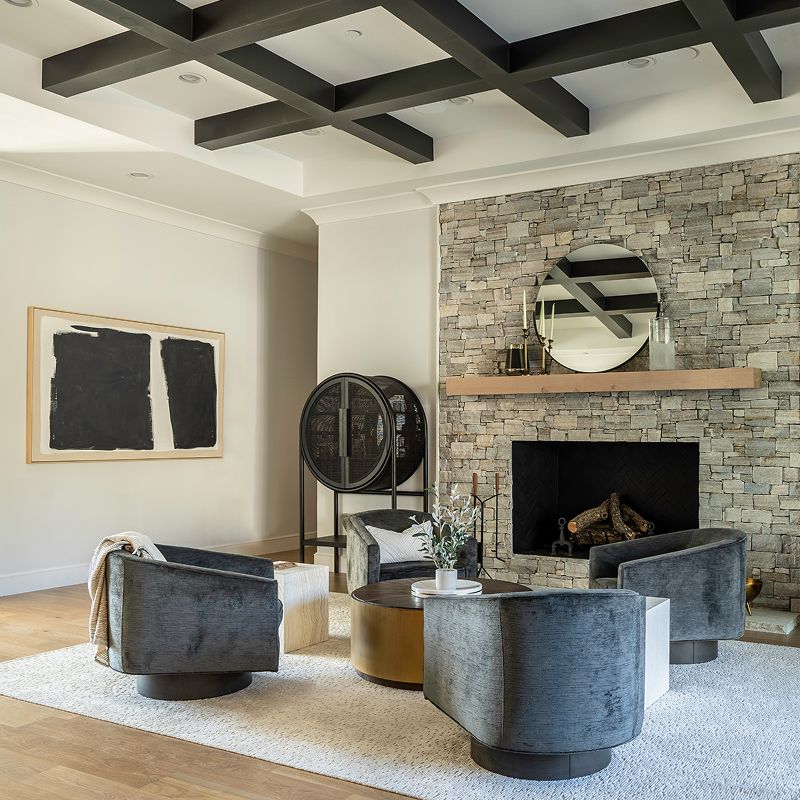
The Fairview
Interior design, sitting room
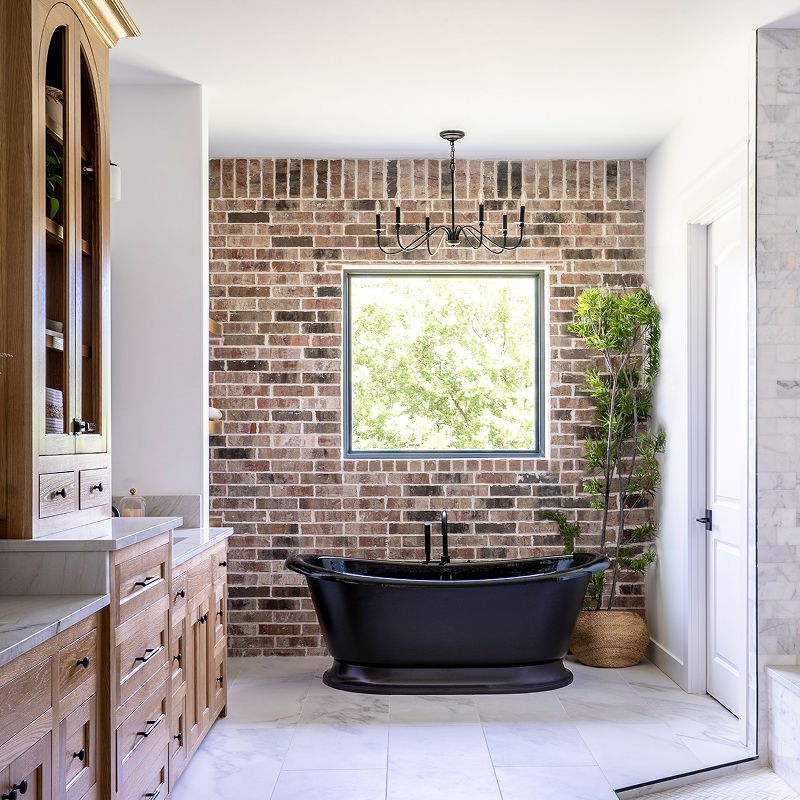
Floor & Decor
Interiors feature
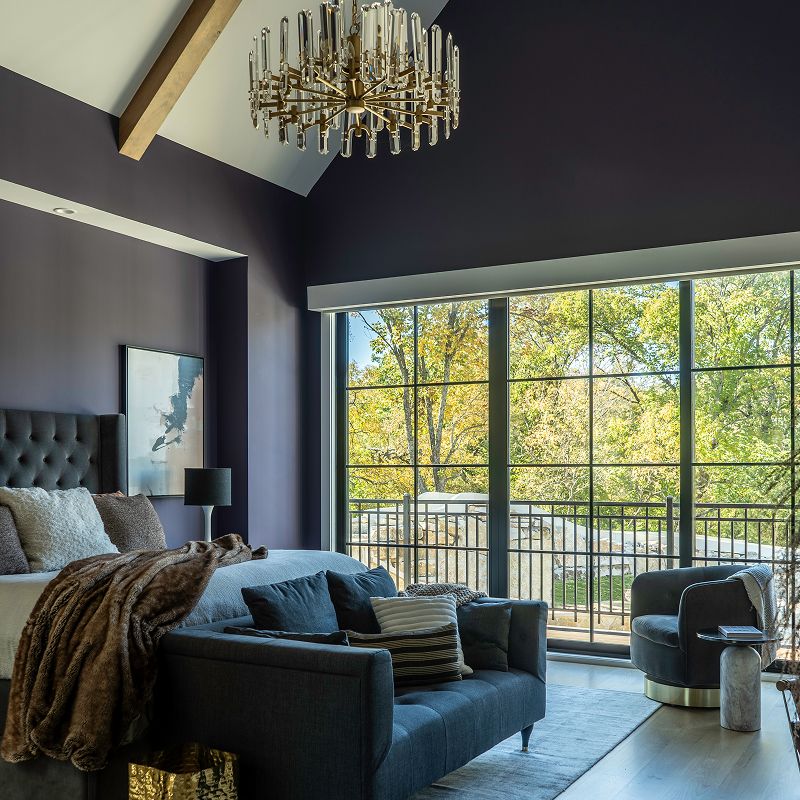
The Fairview Suite
Interior design, bedroom
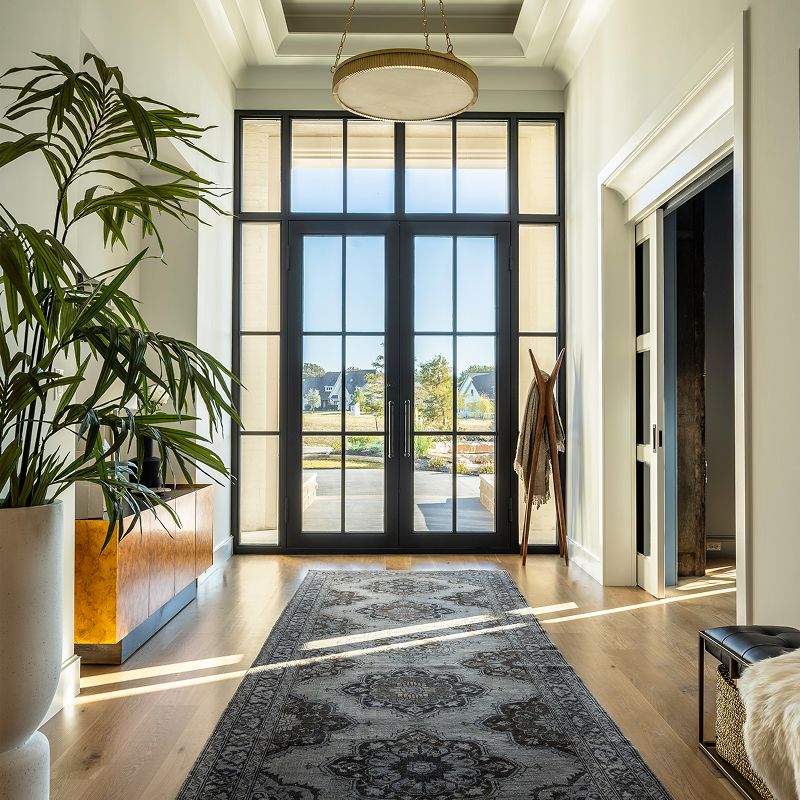
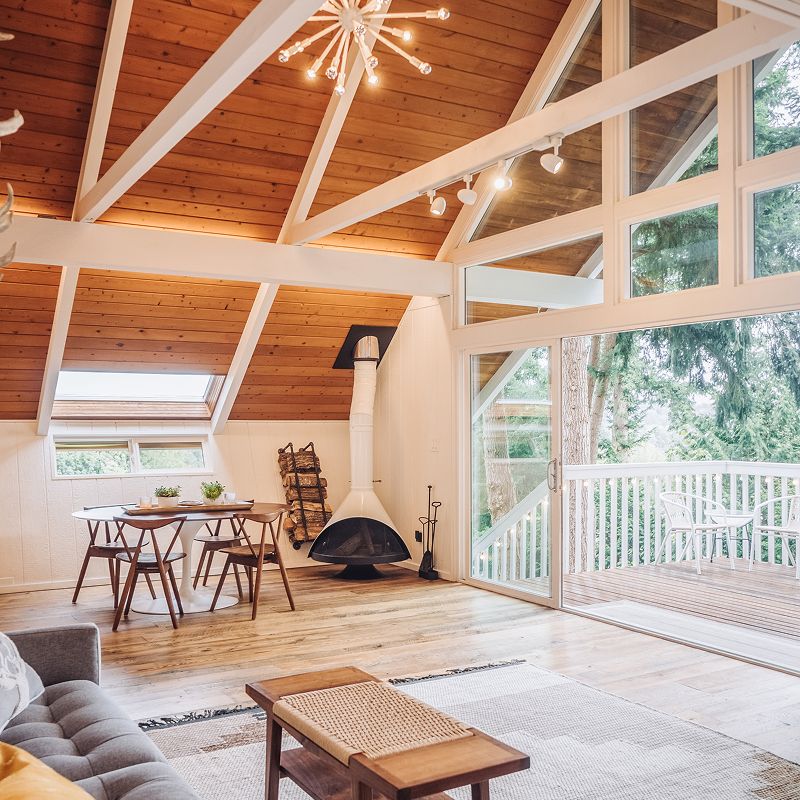
Homes, kitchens, and selections
Some of these projects are whole-house builds. Others are single rooms, a remodel, or a feature shot for Floor & Decor. The photos show the finished rooms. Behind each one sits the folder that got it there: lighting plan, hardware schedule, paint palette, spec set.Custom Homes & Remodels
Custom home work starts at the floor plan: site conditions, how the household uses each room, and what the existing structure is worth keeping.
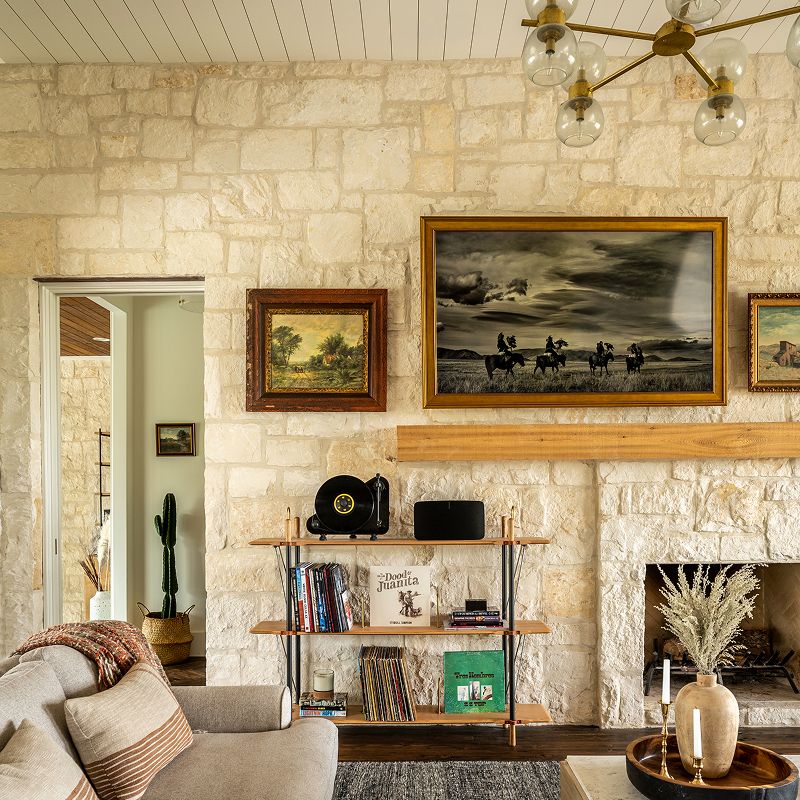
The Hill Country house appears in this section three times, as a kitchen, a living room, and a primary bath. The Fairview appears as an entry, a sitting room, and a primary suite. Mountain View is a cabin remodel.
Kitchen & Bath
Kitchen and bath design is mostly material logic: four or five finishes repeated across dozens of surfaces, chosen for how they age as much as for how they look at install.
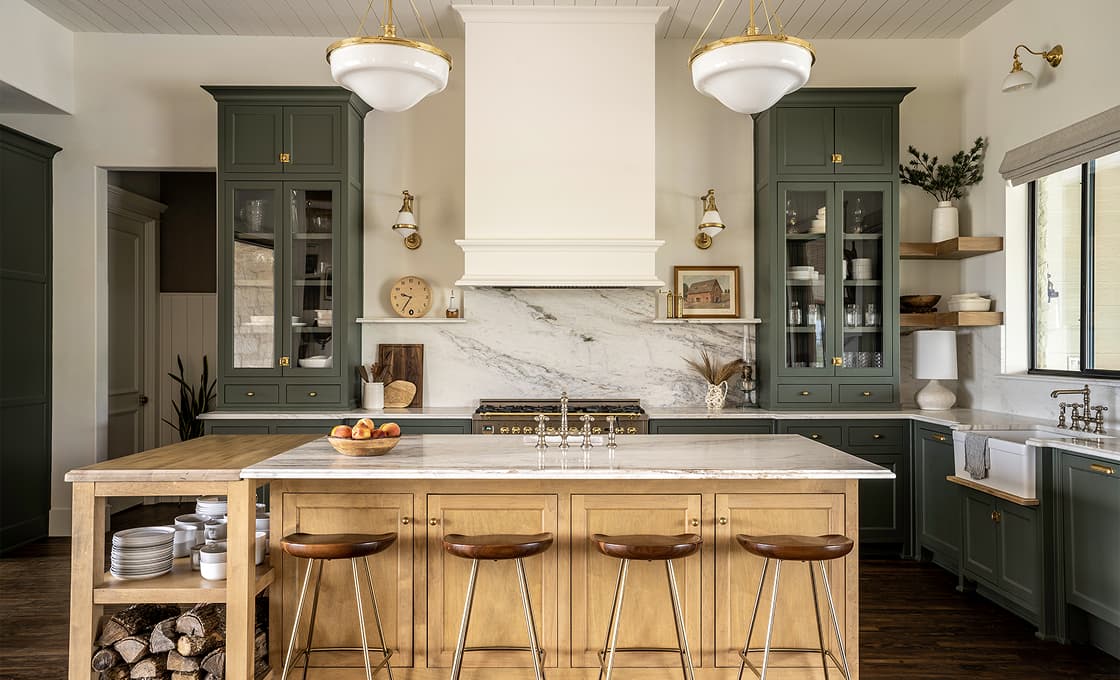
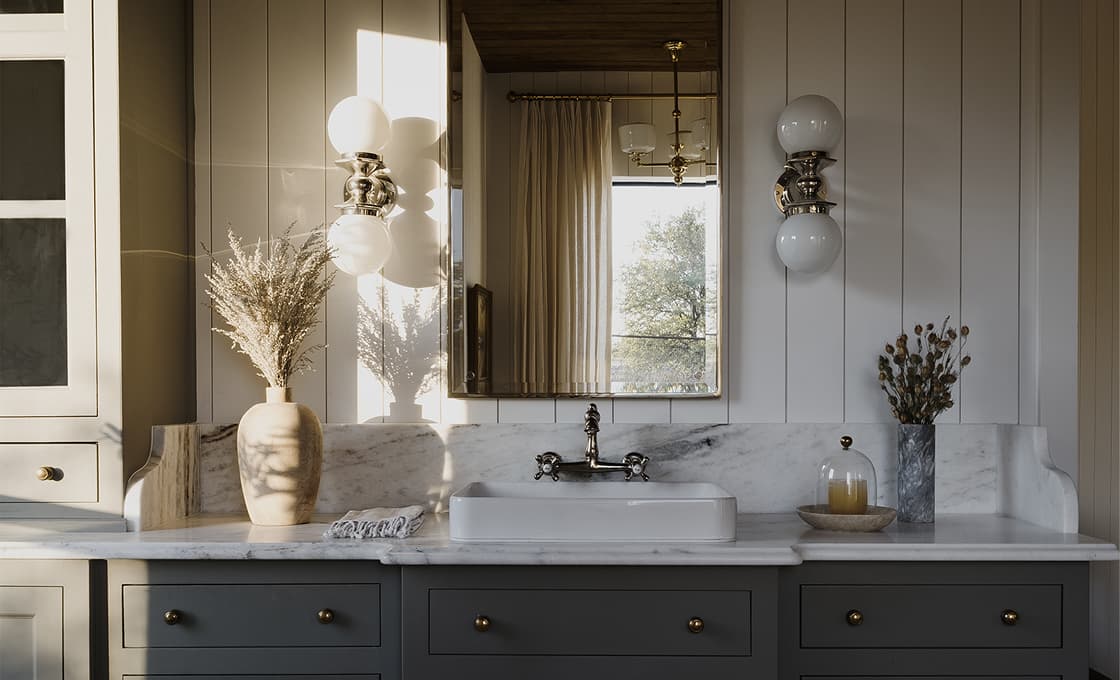
The Hill Country kitchen runs sage green cabinetry, raw white oak, Calacatta marble, and unlacquered brass. The primary bath pulls the same family lighter, with pale sage, polished nickel, and three different marbles.
Selections & Documentation
Selections are the design decisions: which lights make a room and which disappear, which hardware stays quiet, which paint shifts with the light from the nearest window. Documentation translates those picks into a spec set a builder can build from without calling.
Custom Homes & Remodels
Custom home work starts at the floor plan: site conditions, how the household uses each room, and what the existing structure is worth keeping.
The Hill Country house appears in this section three times, as a kitchen, a living room, and a primary bath. The Fairview appears as an entry, a sitting room, and a primary suite. Mountain View is a cabin remodel.
Kitchen & Bath
Kitchen and bath design is mostly material logic: four or five finishes repeated across dozens of surfaces, chosen for how they age as much as for how they look at install.
The Hill Country kitchen runs sage green cabinetry, raw white oak, Calacatta marble, and unlacquered brass. The primary bath pulls the same family lighter, with pale sage, polished nickel, and three different marbles.
Selections & Documentation
Selections are the design decisions: which lights make a room and which disappear, which hardware stays quiet, which paint shifts with the light from the nearest window. Documentation translates those picks into a spec set a builder can build from without calling.
More digital

Ivy Park by Beyoncé
Digital design, brand launch
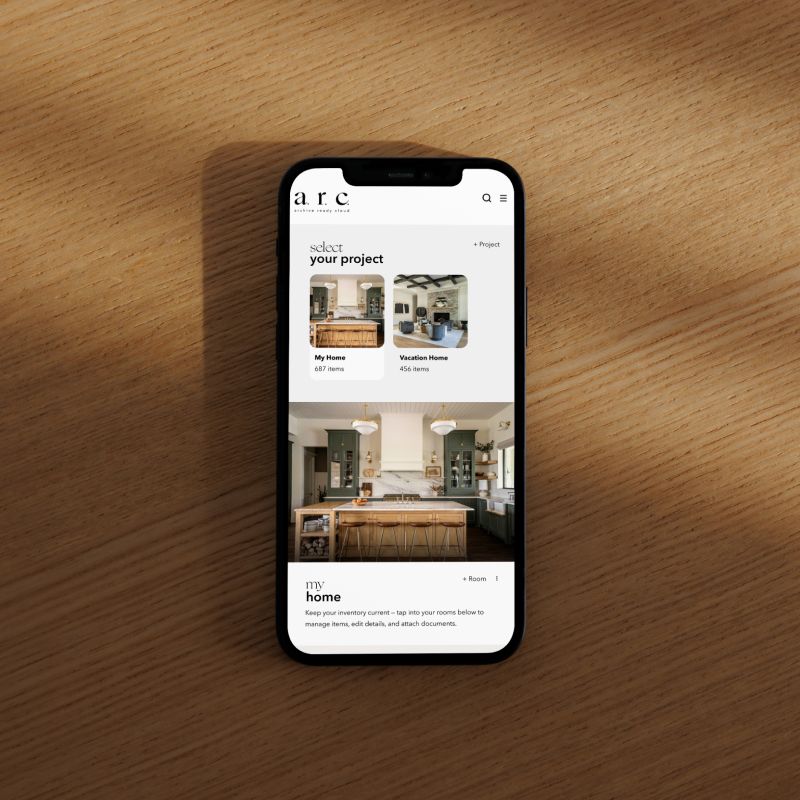
A.R.C. - AI Home Inventory
App & brand development

Nordstrom personalization
Design system, direction

Jeffrey NYC
Ecommerce, web design





More creative
Ivy Park by Beyoncé
Digital design, brand launch

Robert Rodriguez x Neiman’s
Creative direction, design

Capitan Boot Co.
Branding, design

Jeffrey Spring Campaign
Creative direction, design
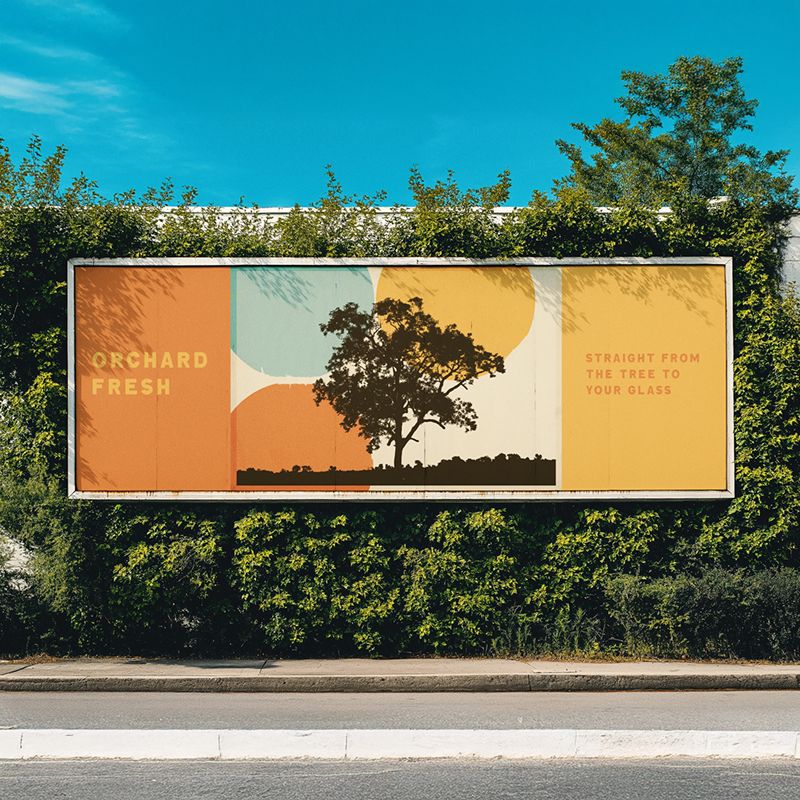
Hill Country Oakworks
Campaign direction, branding
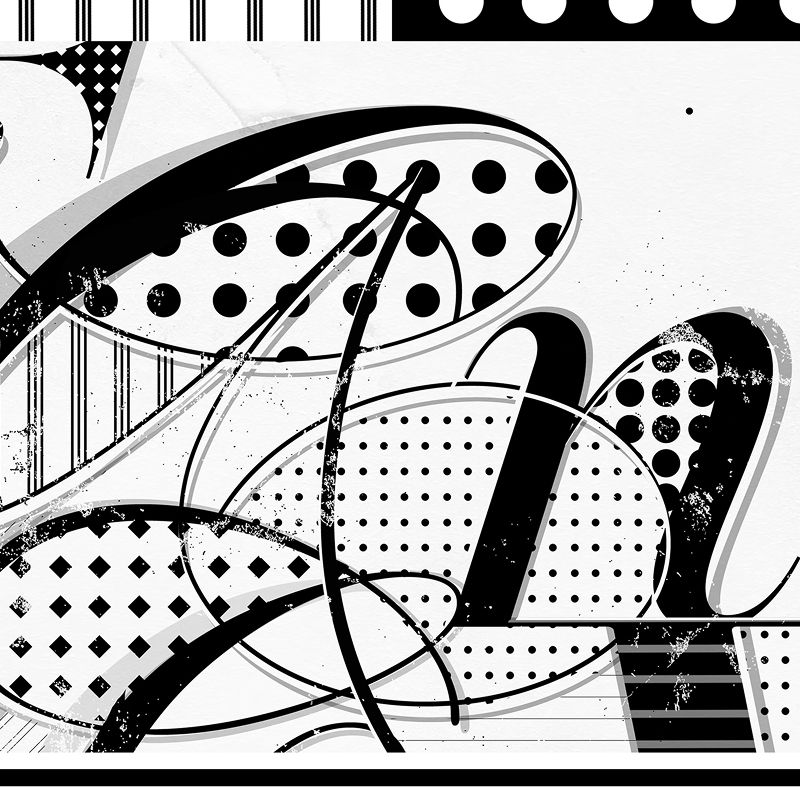
Black & white type
Custom typography, patterns
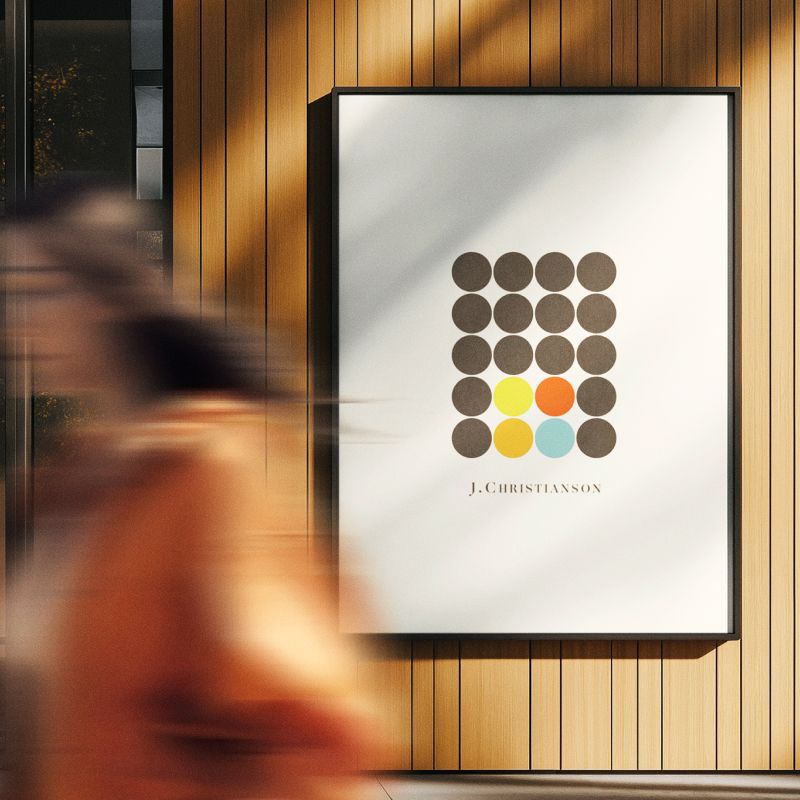
J. Christianson
Brand development, design
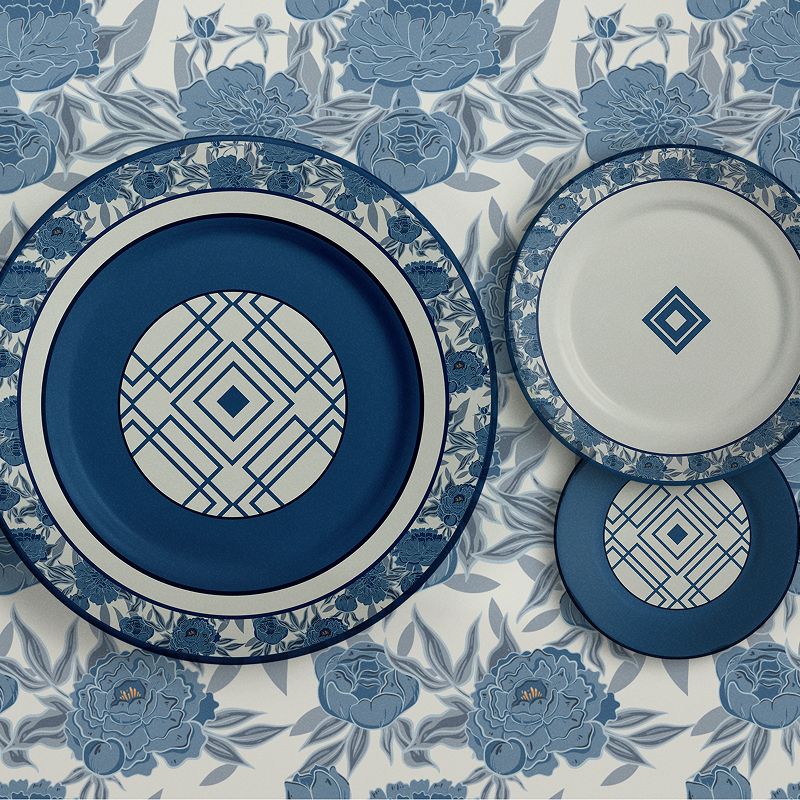
Amber Shockey & Co.
Tableware design, branding





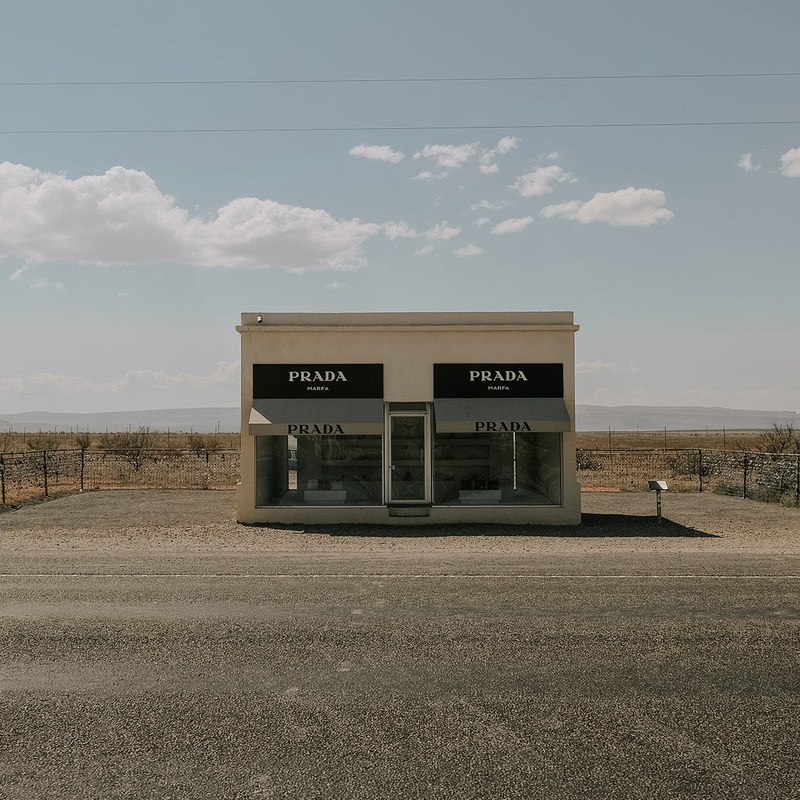
A design and engineering practice.
Work hands-on with the person who makes the work. Start a brand, an app, a campaign, or a kitchen with a single message.
Studio Reckon House Staples
Founded 2002, based in Texas, working anywhere
Status Open for projects
Classification Digital, Branding, Interiors
Contact hello@reckon.house 214.697.4578 IG @reckonhousestaples LinkedIn /jeremy-prasatik
The range
Projects come in at every stage. Some start from nothing but a name; others arrive as an existing brand, system, or idea to build on. The people range the same way, from founders and marketing teams to contractors and homeowners.
It stays that way on purpose. The client list runs from national retailers to one-room remodels, and the work gets the same attention at both ends.
The chart below maps the practice as one system: the three disciplines, the tools inside each, and the connections between them.
© 2026 Reckon House. Made by Jeremy Prasatik.