Creative direction, campaigns and brand.
The projects in this section are campaigns, brand identities, and design for physical objects like tableware, apparel, and prints. Most of it was client work. The typography and pattern studies are personal projects.Field Brand Identity Campaign Direction Surface Design
Author Jeremy Prasatik Active Since: 2002 Status: Making
Classification Logo Systems Art Direction Photography Pattern Design Editorial

Robert Rodriguez x Neiman’s
Creative direction, design
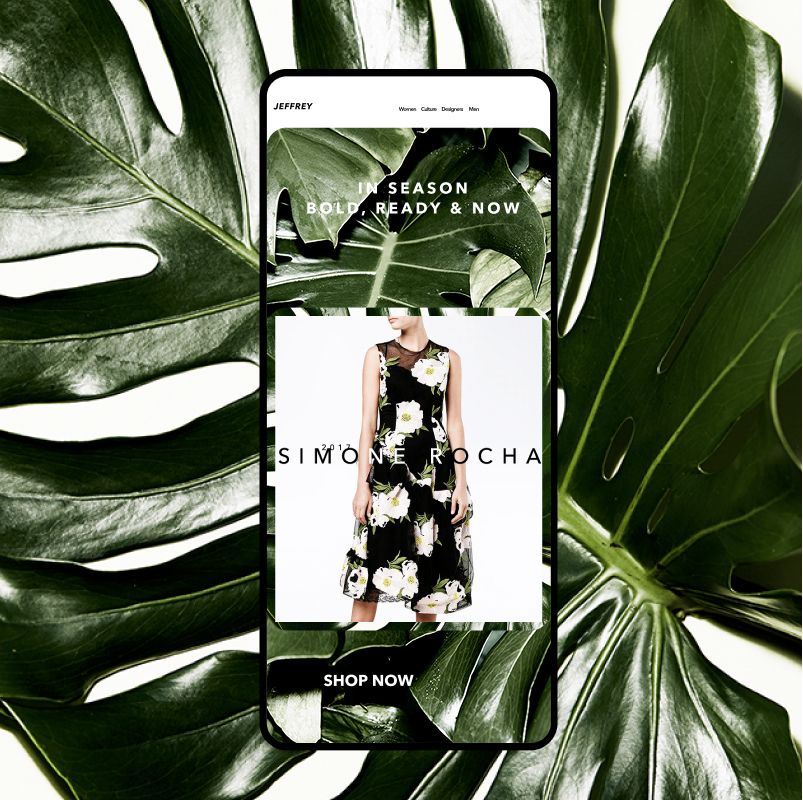
Jeffrey Spring Campaign
Creative direction, design
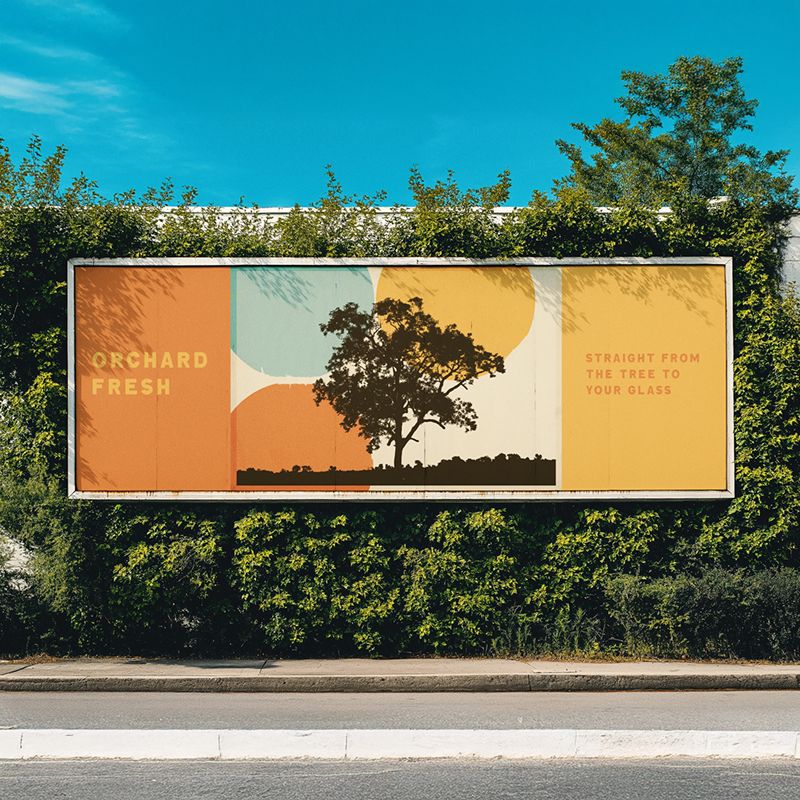
Hill Country Oakworks
Campaign direction, branding
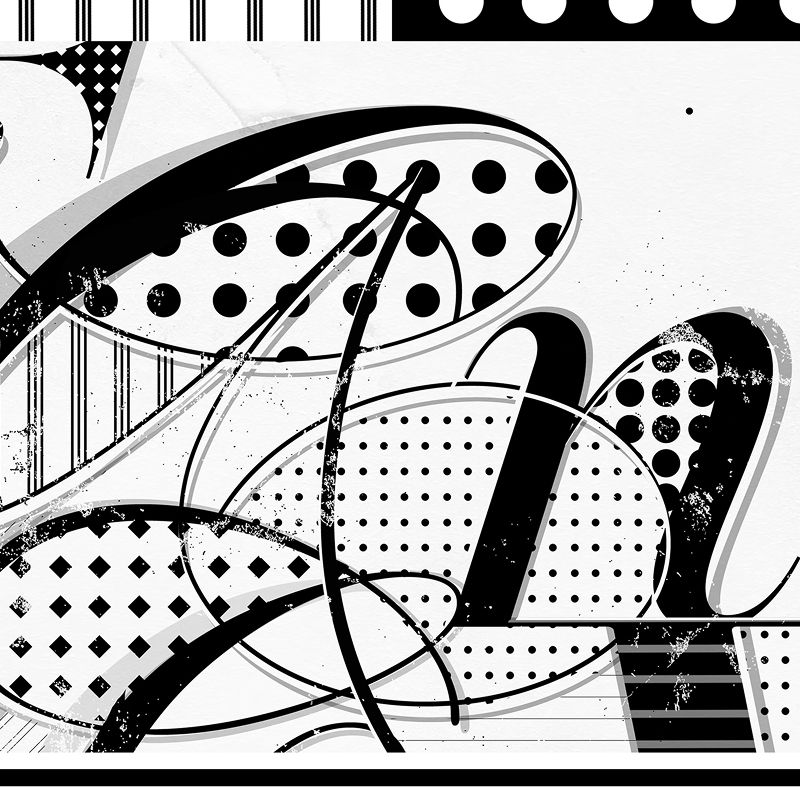
Black & white type
Custom typography, patterns
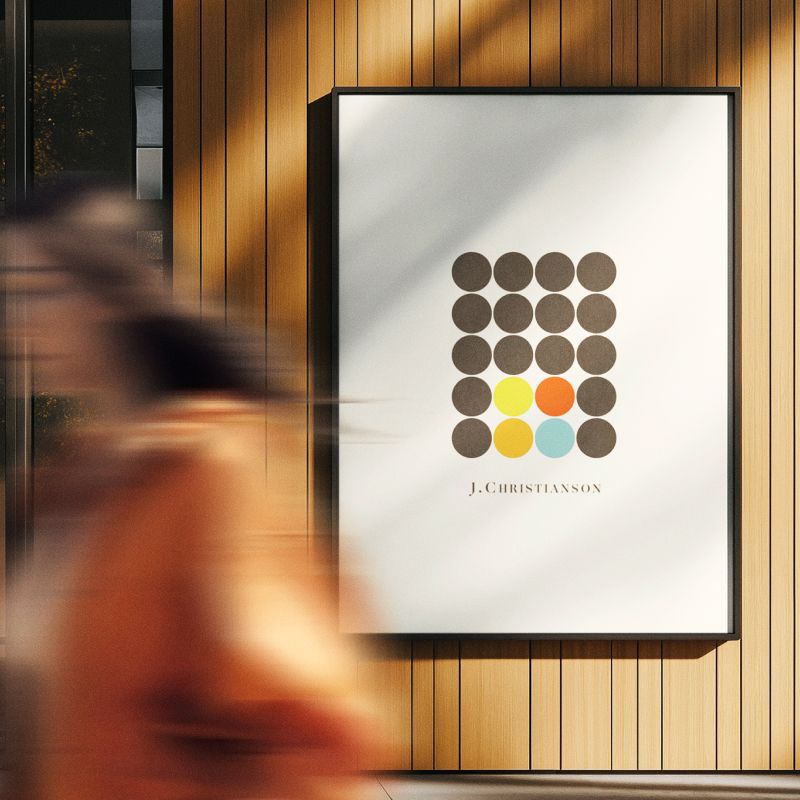
J. Christianson
Brand development, design
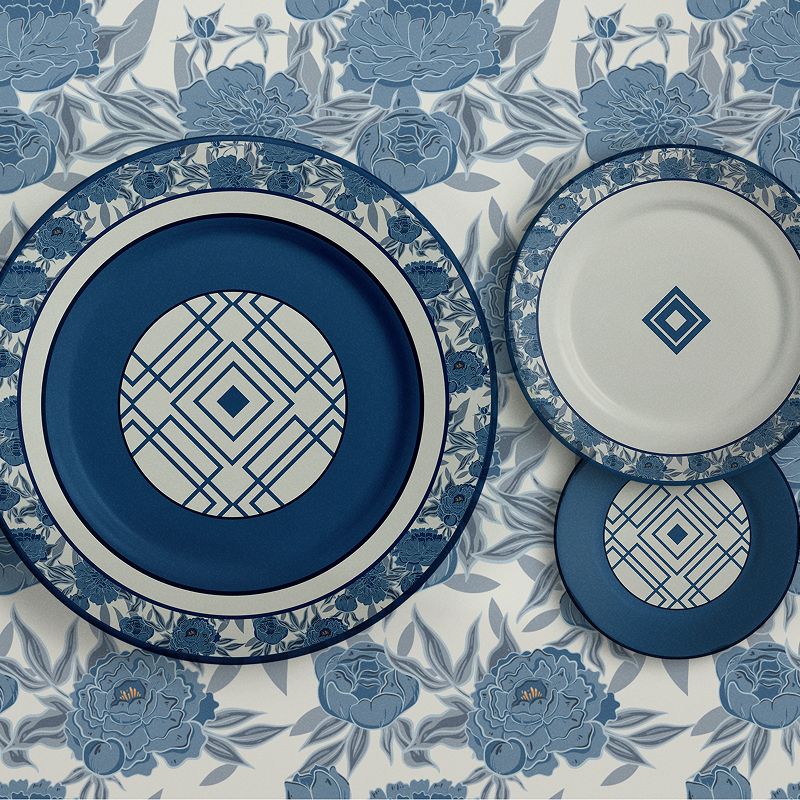
Amber Shockey & Co.
Tableware design, branding
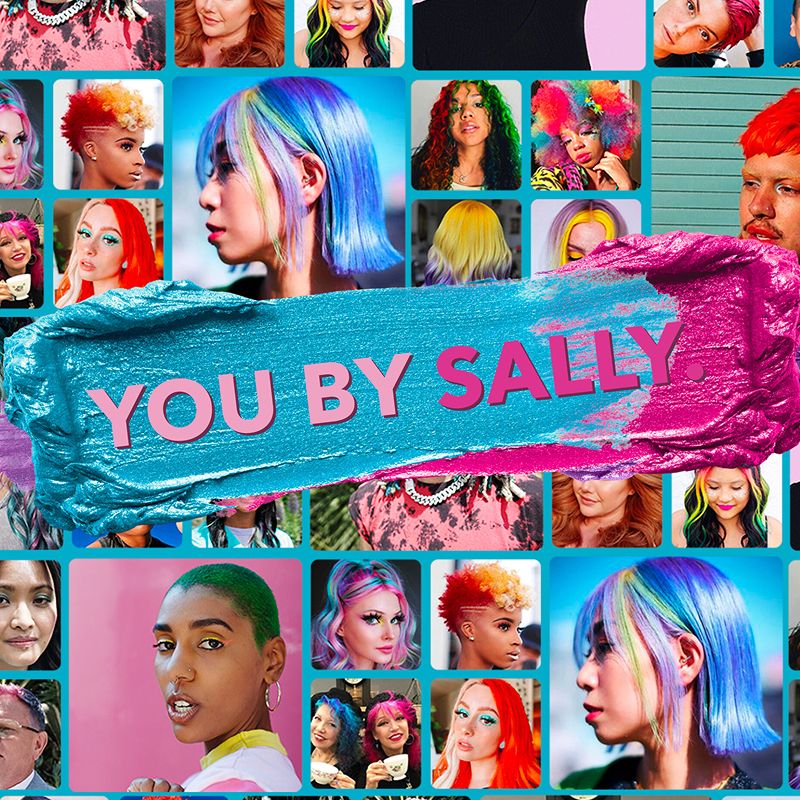
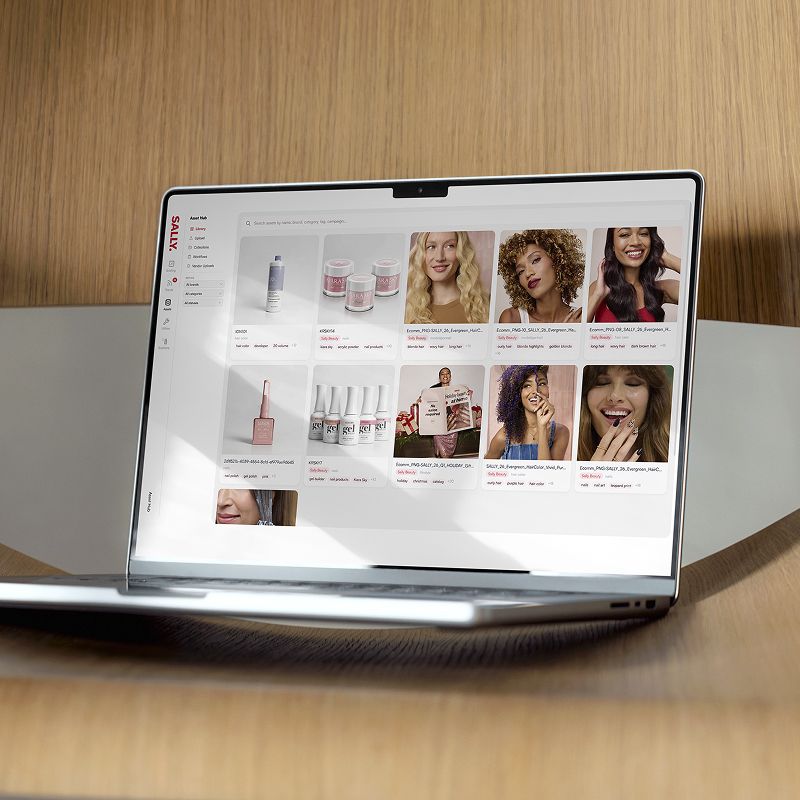
You By Sally
Brand campaign
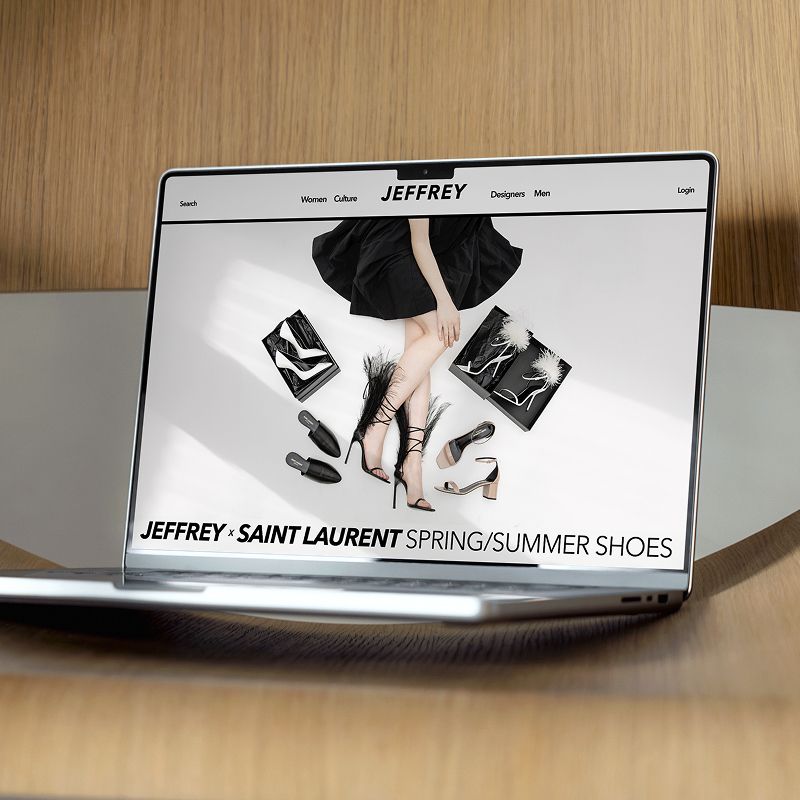
Jeffrey NYC
Campaign direction, design
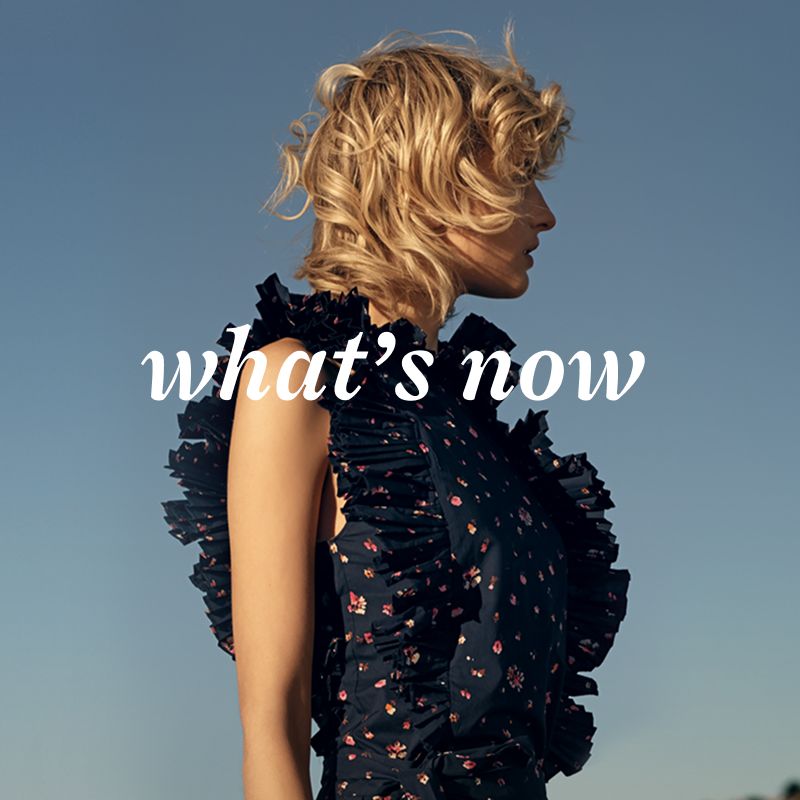
Nordstrom framework
Content direction, design
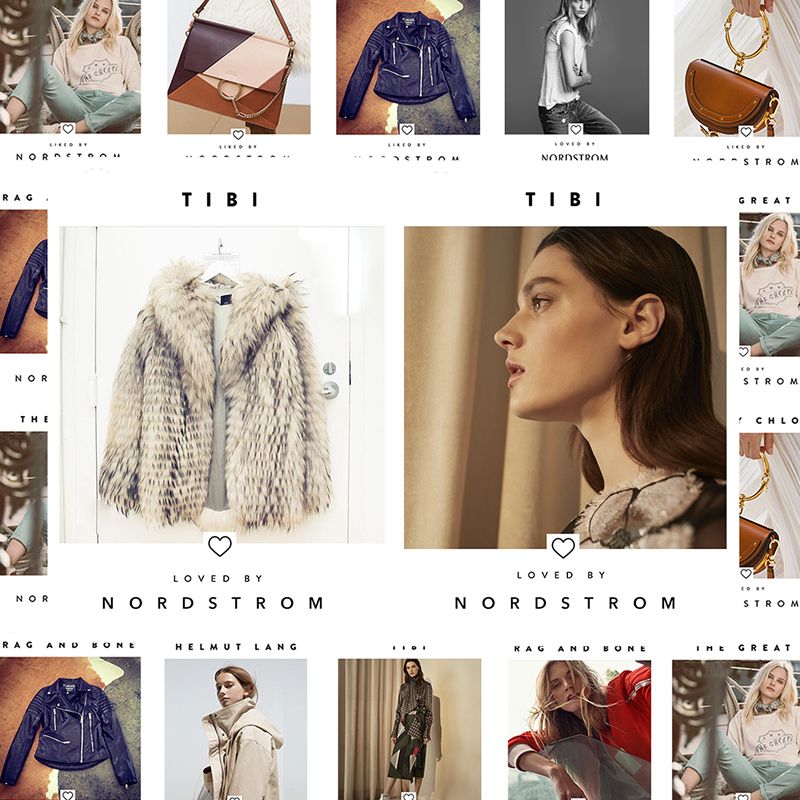
Loved by Nordstrom
Brand campaign, design
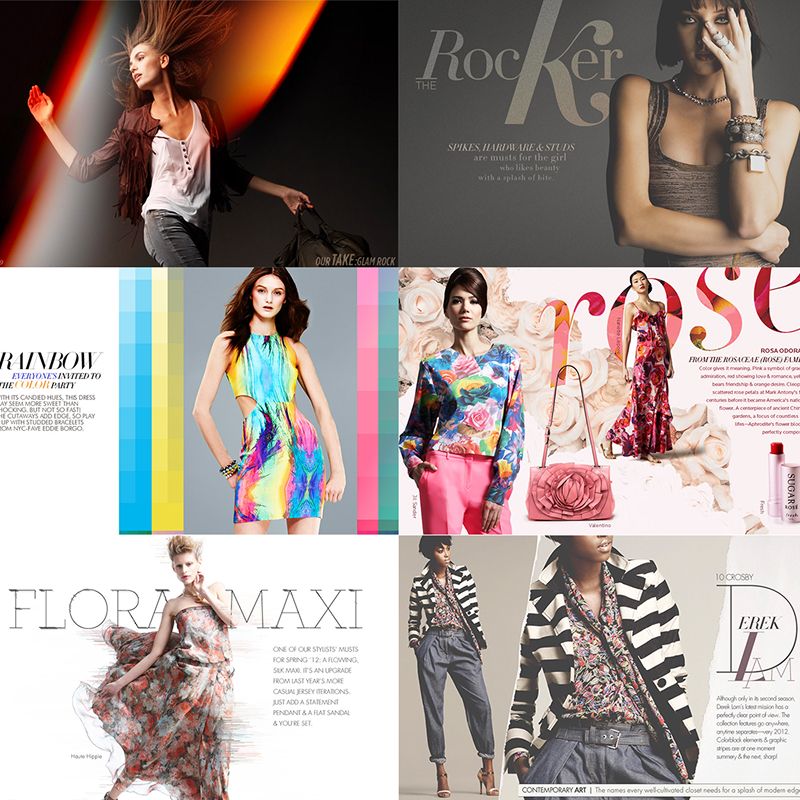
Neiman Marcus
Editorial direction, design
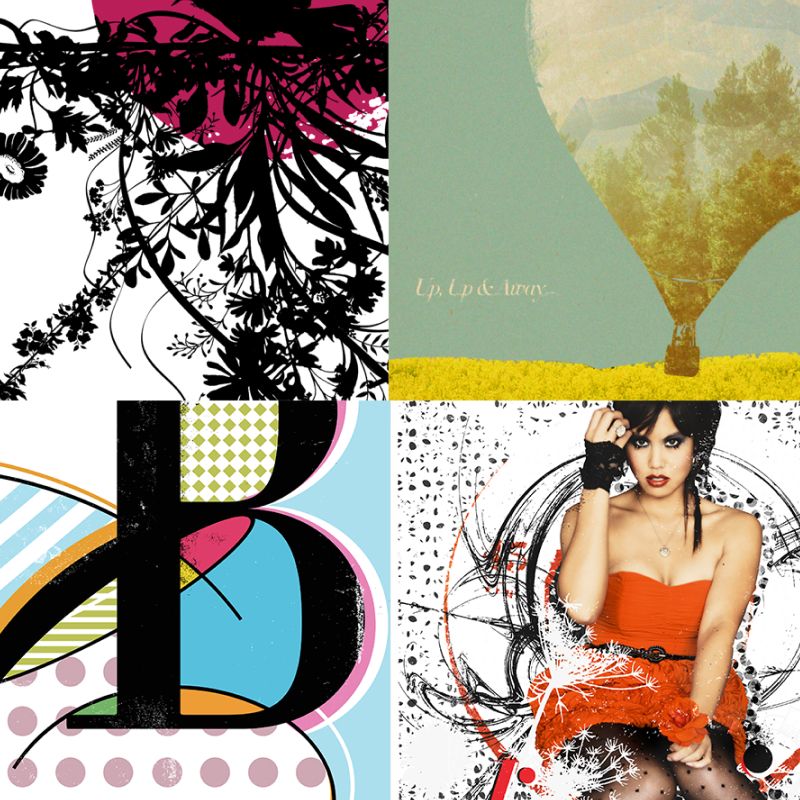
Various design
Branding, art, apparel
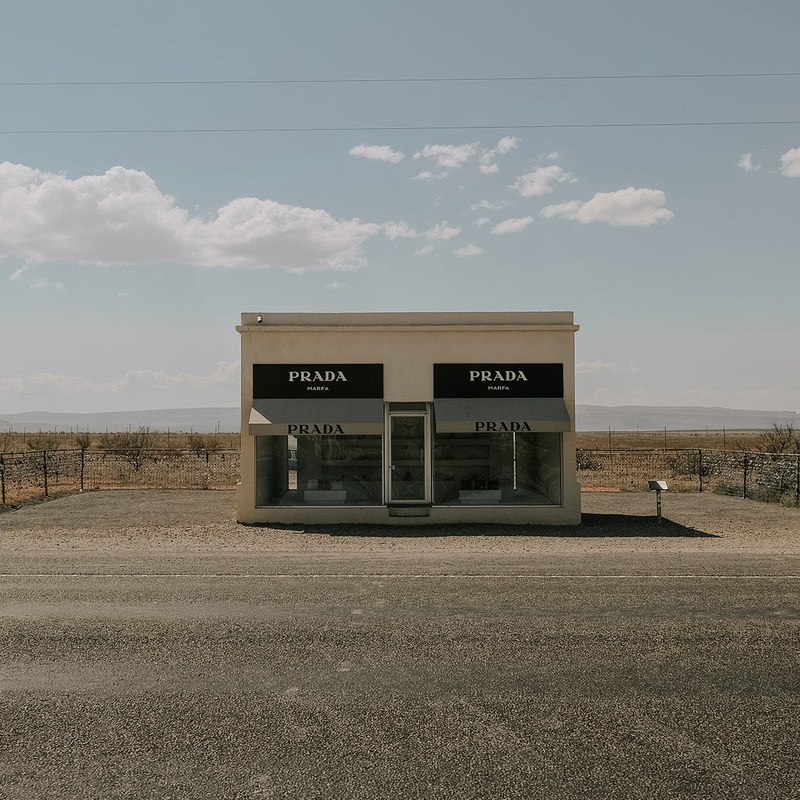
Identity, campaigns, and physical objects
Some of these projects ran from the first positioning work through the final production files. Others were specific pieces inside a larger effort. The tools are Illustrator, Photoshop, InDesign, and a camera.Brand Identity
Brand identity work covers naming, logo systems, typography, and the graphic rules that keep them consistent across print, apparel, and product.
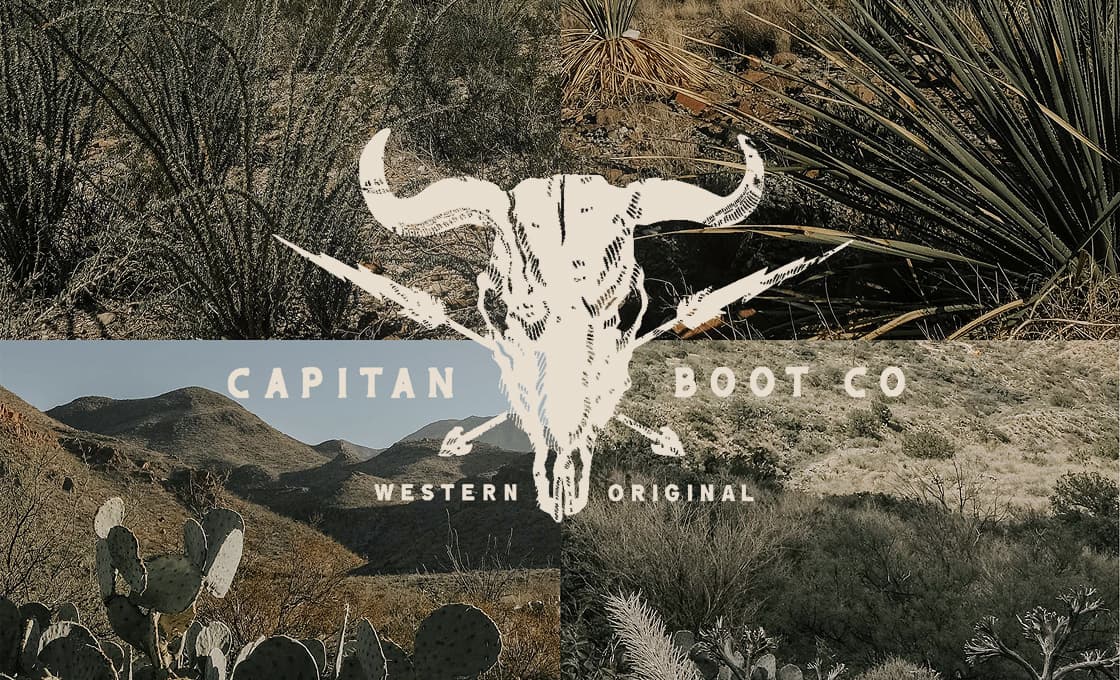
Capitan Boot Co. is the most complete build: a primary logo, secondary badges, typographic lockups, and apparel graphics, all designed to hold up when stamped into leather, with campaign photography shot on location in West Texas. J. Christianson is a naming and identity system that works across the client's hospitality and retail businesses.
Campaigns & Art Direction
Campaign work runs from concept and art direction through the final production files, sized for every format a retailer owns.
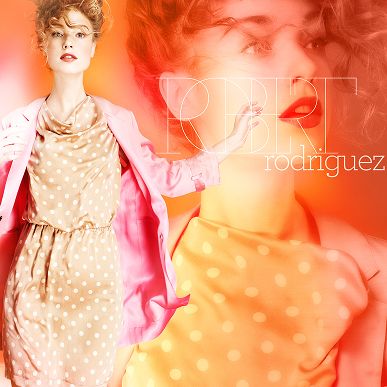
The Robert Rodriguez campaign for Neiman Marcus came out of a single day of shooting, and the four frames from that day ran across storefront windows, editorial, social, and email. Ivy Park went from brief to live in six weeks, and because Nordstrom held the only US partnership, the website carried the launch. You By Sally was a repositioning campaign for Sally Beauty's own product brand.
Surface & Object Design
Surface and object design covers physical goods: tableware, textiles, ceramics, and prints.
The Amber Shockey & Co. project is a tableware line, with the patterns and the branding designed together. The pattern systems are drawn to work on both textile and ceramic, and the typography studies are personal work, printed as lithographs.
Brand Identity
Brand identity work covers naming, logo systems, typography, and the graphic rules that keep them consistent across print, apparel, and product.
Capitan Boot Co. is the most complete build: a primary logo, secondary badges, typographic lockups, and apparel graphics, all designed to hold up when stamped into leather, with campaign photography shot on location in West Texas. J. Christianson is a naming and identity system that works across the client's hospitality and retail businesses.
Campaigns & Art Direction
Campaign work runs from concept and art direction through the final production files, sized for every format a retailer owns.
The Robert Rodriguez campaign for Neiman Marcus came out of a single day of shooting, and the four frames from that day ran across storefront windows, editorial, social, and email. Ivy Park went from brief to live in six weeks, and because Nordstrom held the only US partnership, the website carried the launch. You By Sally was a repositioning campaign for Sally Beauty's own product brand.
Surface & Object Design
Surface and object design covers physical goods: tableware, textiles, ceramics, and prints.
The Amber Shockey & Co. project is a tableware line, with the patterns and the branding designed together. The pattern systems are drawn to work on both textile and ceramic, and the typography studies are personal work, printed as lithographs.
More digital

Ivy Park by Beyoncé
Digital design, brand launch
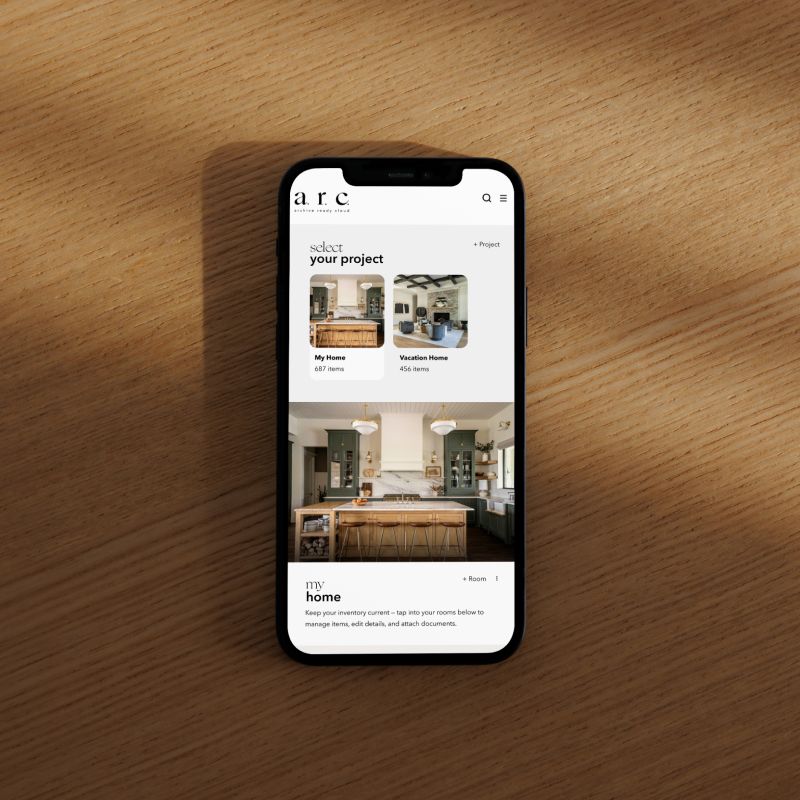
A.R.C. - AI Home Inventory
App & brand development
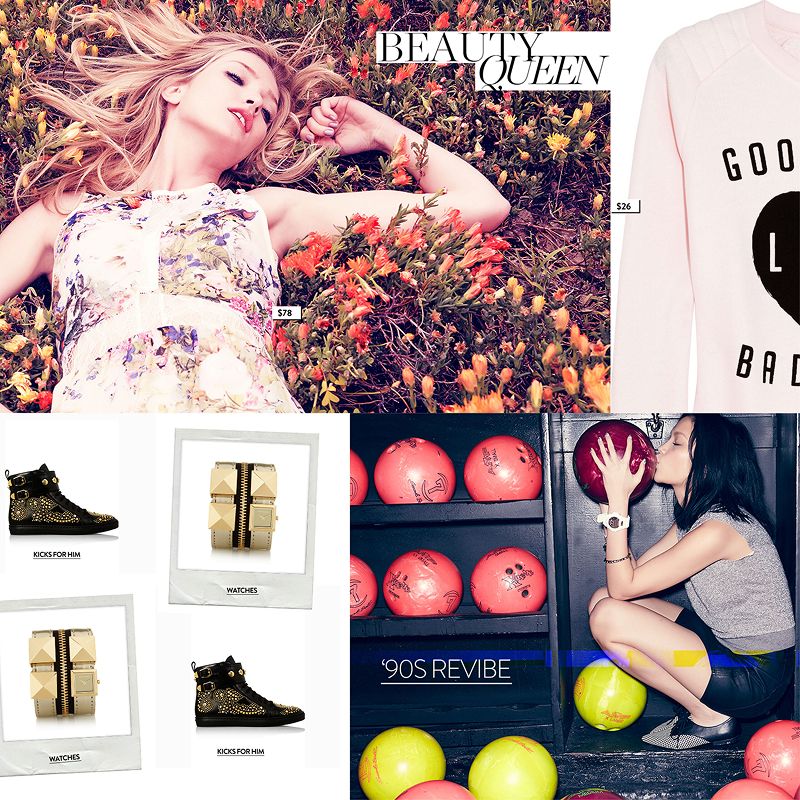
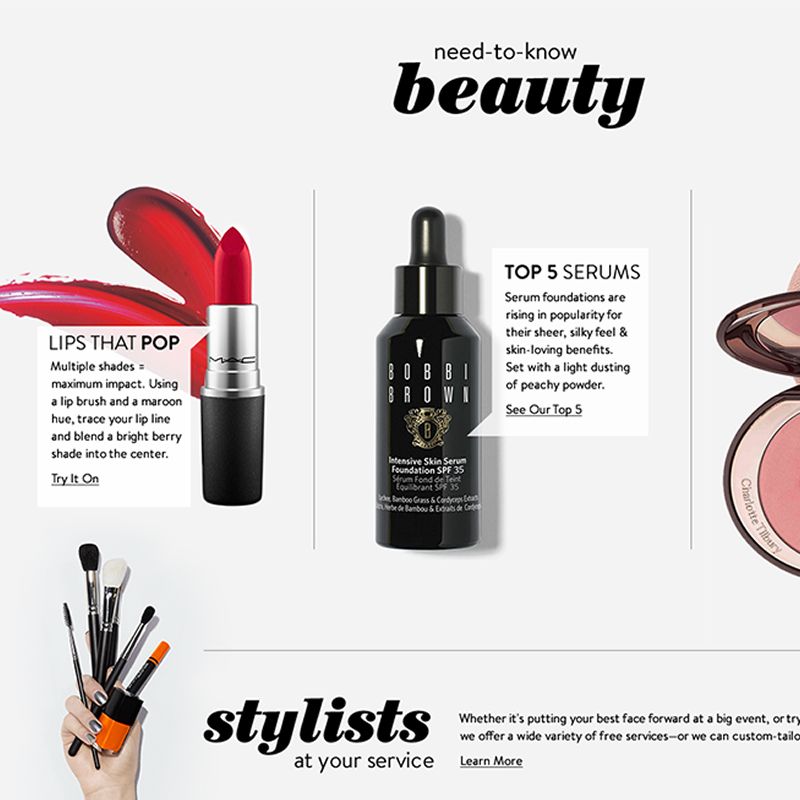
Nordstrom personalization
Design system, direction
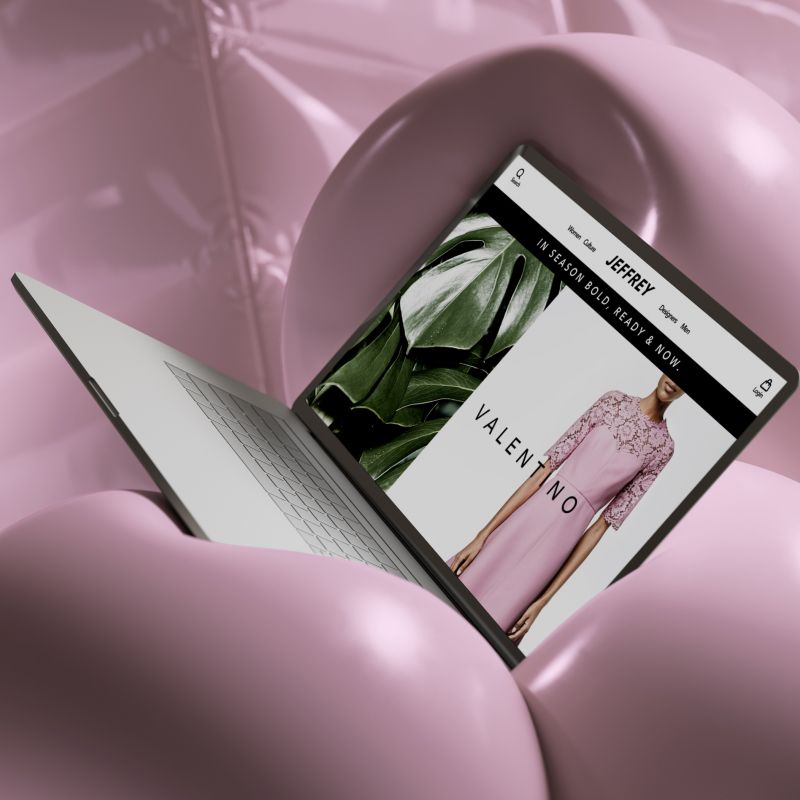
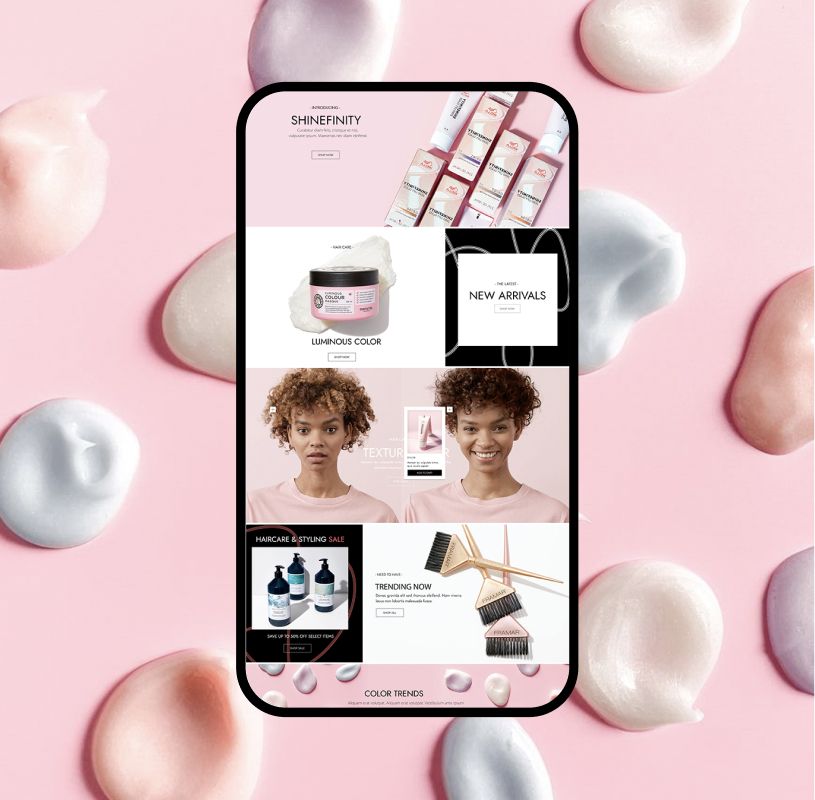
Jeffrey NYC
Ecommerce, web design
A design and engineering practice.
Work hands-on with the person who makes the work. Start a brand, an app, a campaign, or a kitchen with a single message.
Studio Reckon House Staples
Founded 2002, based in Texas, working anywhere
Status Open for projects
Classification Digital, Branding, Interiors
Contact hello@reckon.house 214.697.4578 IG @reckonhousestaples LinkedIn /jeremy-prasatik
The range
Projects come in at every stage. Some start from nothing but a name; others arrive as an existing brand, system, or idea to build on. The people range the same way, from founders and marketing teams to contractors and homeowners.
It stays that way on purpose. The client list runs from national retailers to one-room remodels, and the work gets the same attention at both ends.
The chart below maps the practice as one system: the three disciplines, the tools inside each, and the connections between them.
© 2026 Reckon House. Made by Jeremy Prasatik.