On making things
I make things across disciplines.
Making happens for me in a number of ways. On a computer, with a pencil and paper, or a nail gun and saw. I always lean toward new ways of thinking and love to tinker. Lately that's meant going deep on AI, learning as much as I can, as fast as I can, and finding ways to connect it to actual work.
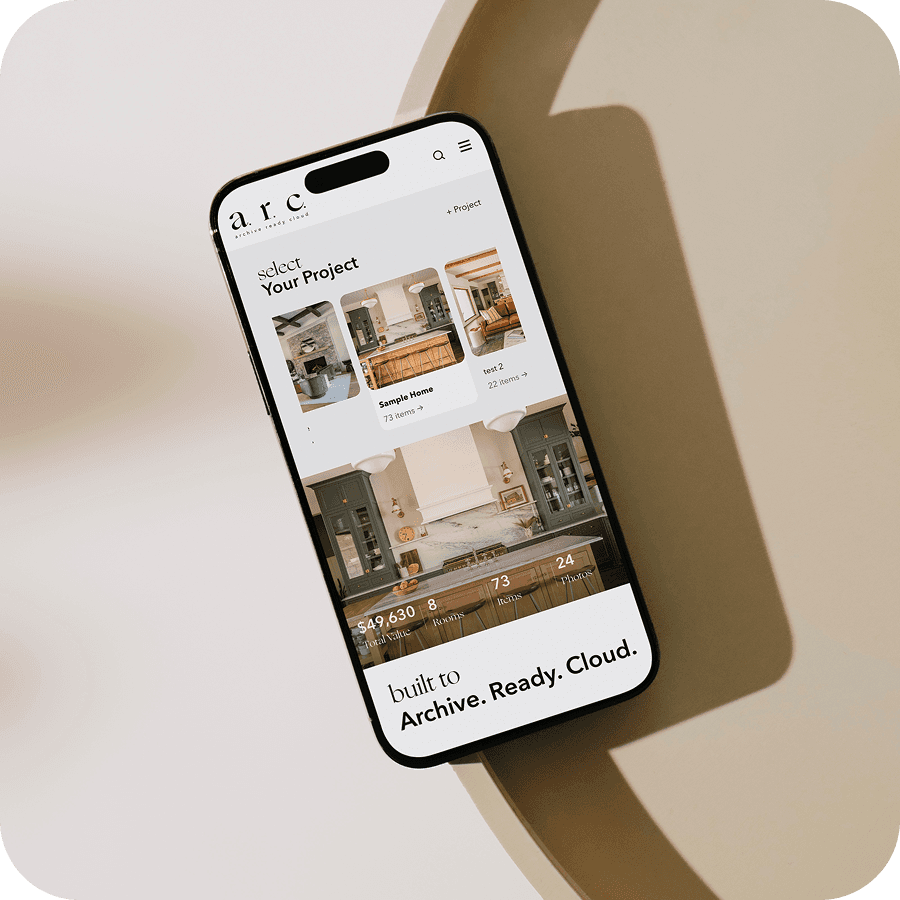
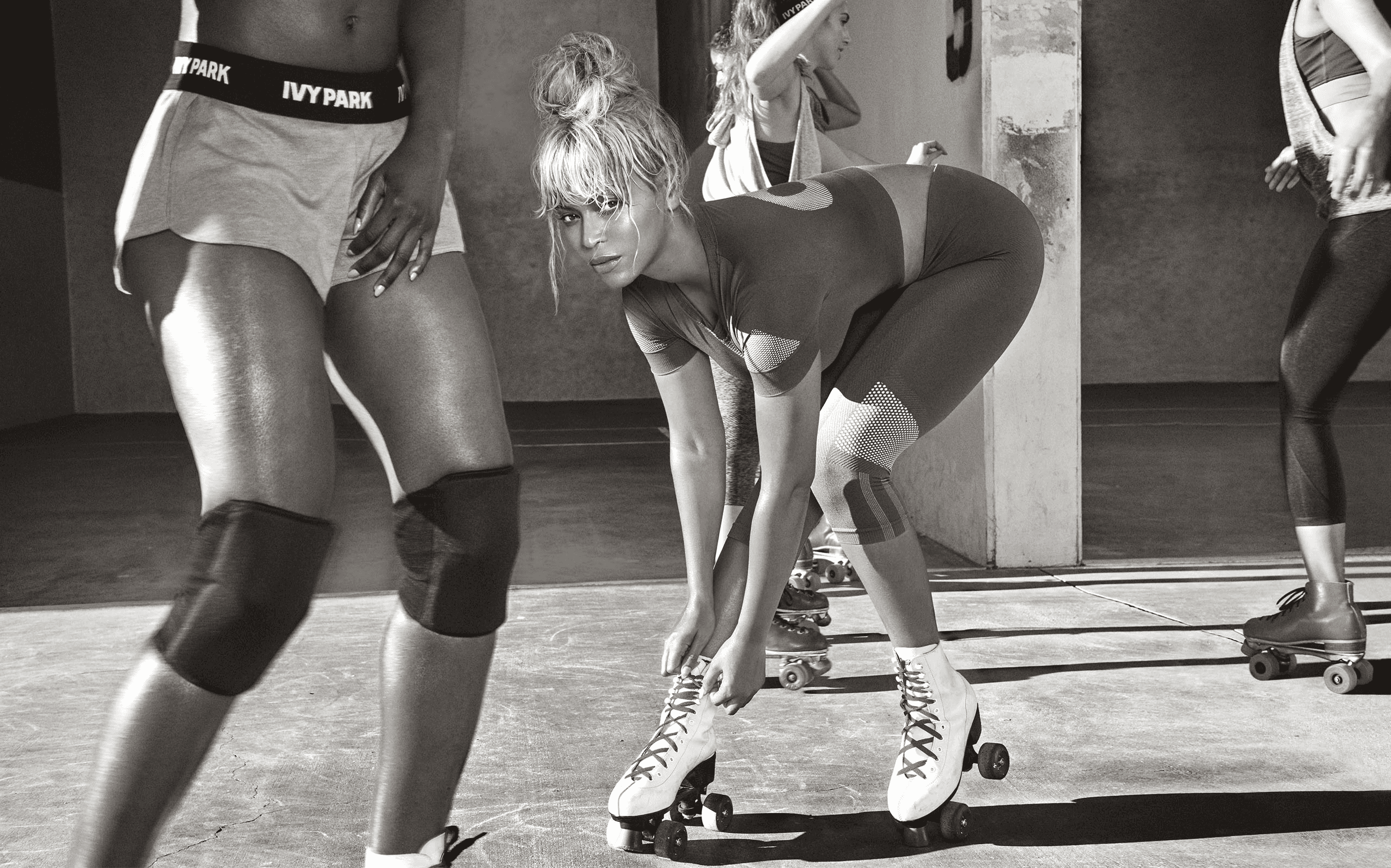
I've been lucky enough to work on some really cool projects. Built an AI-powered home inventory app from scratch. Directed the digital launch of Ivy Park by Beyoncé. Sourced reclaimed 1950s pine floors for custom residences. The work spans brands, spaces, and systems. Different mediums, same attention.
Instead of a traditional bio, some questions I actually get asked from time to time.
How do you create across all those different areas?
I have this internal itch to create and a drive to solve problems. When those come together, you go and make something. National campaigns, ecommerce platforms, apps I've built myself, custom interiors, apparel graphics, store environments. Highly conceptual and heavy execution. I've done both and I like both.
The common thread is that I like being close to the work. Strategy and creating don't necessarily have to be separate tracks. Some people move into leadership and step away from the end result. I learned over time that wasn't what I wanted. You can lead the thinking and still be in the files.
That's a good segue into the next question. Don't most creatives with that many years of experience focus on direction? Why stay hands-on?
Over time I've realized the results were better that way. I've managed larger teams and I've shipped solo projects. The best outcomes happened when I stayed close to the craft, not above it.
There's also just the honest part again: I truly enjoy the making. The strategy is great, the big-picture stuff is great, but I don't want to stop there. As hard as it is sometimes, I still love it. The range isn't a trade-off. It's the point.
You spend a ton of time talking about and reading up on AI. What's the fascination about?
I could always come up with ideas, problem solve, and see how systems connect. But I couldn't write the code. The syntax, the debugging, the way everything needed to fit together. It never QUITE clicked for me. I never hit flow state with it.
Now it feels like AI has opened things up and the handcuffs are off. For better or worse. I can think and tinker without getting completely overwhelmed and lost in the weeds. I've spent more nights than I'd like to admit up until 3am trying things, learning, building stuff I couldn't have built before. My AI-powered home inventory app, A.R.C., exists because of that. It's not theoretical for me. It's already changed what I'm able to ship.
I felt like your typical creative doing concept and visual, but now things seem wide open. There's more I'm able to reach for.
What keeps you inspired?
The usual suspects. (Great movie, by the way.) Music, film, photography, fashion, well-done interiors of any style. A great meal. A good book. Articles that make me think. I'm pretty passionate about the people, tools, and projects that catch my attention, and I'm building a section on the site to share more of that.
I also have a handful of people in different spaces that I cross-check myself with. Would Jack White think about it this way? Would he work a little harder on that project? Would Billy Reid sweat these details until it was perfect? Would Amber Lewis take a shortcut and not go all out with her creative choices? And then my wife, she's the smartest person I know. Loves to learn more than any person I've been around, and her own curiosity has pushed me to grow and not stop because... well, life's short and why stop? There are others too, but I think this is what helps form some of my opinions and keeps me moving forward.
What about outside work?
Husband and dad of three. Big sports fan. I like to cook outside over a hot fire, and antiquing has become a real pastime. There's something about finding a piece with history and giving it a place in the house.
I consume music. Easily my number one creative outlet. It's on in our house all the time. Bluesy rock, jazz, americana, good country. I can't get enough of it.
I make things across disciplines.
Making happens for me in a number of ways. On a computer, with a pencil and paper, or a nail gun and saw. I always lean toward new ways of thinking and love to tinker. Lately that's meant going deep on AI, learning as much as I can, as fast as I can, and finding ways to connect it to actual work.
I've been lucky enough to work on some really cool projects. Built an AI-powered home inventory app from scratch. Directed the digital launch of Ivy Park by Beyoncé. Sourced reclaimed 1950s pine floors for custom residences. The work spans brands, spaces, and systems. Different mediums, same attention.
Instead of a traditional bio, some questions I actually get asked from time to time.
How do you create across all those different areas?
I have this internal itch to create and a drive to solve problems. When those come together, you go and make something. National campaigns, ecommerce platforms, apps I've built myself, custom interiors, apparel graphics, store environments. Highly conceptual and heavy execution. I've done both and I like both.
The common thread is that I like being close to the work. Strategy and creating don't necessarily have to be separate tracks. Some people move into leadership and step away from the end result. I learned over time that wasn't what I wanted. You can lead the thinking and still be in the files.
That's a good segue into the next question. Don't most creatives with that many years of experience focus on direction? Why stay hands-on?
Over time I've realized the results were better that way. I've managed larger teams and I've shipped solo projects. The best outcomes happened when I stayed close to the craft, not above it.
There's also just the honest part again: I truly enjoy the making. The strategy is great, the big-picture stuff is great, but I don't want to stop there. As hard as it is sometimes, I still love it. The range isn't a trade-off. It's the point.
You spend a ton of time talking about and reading up on AI. What's the fascination about?
I could always come up with ideas, problem solve, and see how systems connect. But I couldn't write the code. The syntax, the debugging, the way everything needed to fit together. It never QUITE clicked for me. I never hit flow state with it.
Now it feels like AI has opened things up and the handcuffs are off. For better or worse. I can think and tinker without getting completely overwhelmed and lost in the weeds. I've spent more nights than I'd like to admit up until 3am trying things, learning, building stuff I couldn't have built before. My AI-powered home inventory app, A.R.C., exists because of that. It's not theoretical for me. It's already changed what I'm able to ship.
I felt like your typical creative doing concept and visual, but now things seem wide open. There's more I'm able to reach for.
What keeps you inspired?
The usual suspects. (Great movie, by the way.) Music, film, photography, fashion, well-done interiors of any style. A great meal. A good book. Articles that make me think. I'm pretty passionate about the people, tools, and projects that catch my attention, and I'm building a section on the site to share more of that.
I also have a handful of people in different spaces that I cross-check myself with. Would Jack White think about it this way? Would he work a little harder on that project? Would Billy Reid sweat these details until it was perfect? Would Amber Lewis take a shortcut and not go all out with her creative choices? And then my wife, she's the smartest person I know. Loves to learn more than any person I've been around, and her own curiosity has pushed me to grow and not stop because... well, life's short and why stop? There are others too, but I think this is what helps form some of my opinions and keeps me moving forward.
What about outside work?
Husband and dad of three. Big sports fan. I like to cook outside over a hot fire, and antiquing has become a real pastime. There's something about finding a piece with history and giving it a place in the house.
I consume music. Easily my number one creative outlet. It's on in our house all the time. Bluesy rock, jazz, americana, good country. I can't get enough of it.
I make things across disciplines.
Making happens for me in a number of ways. On a computer, with a pencil and paper, or a nail gun and saw. I always lean toward new ways of thinking and love to tinker. Lately that's meant going deep on AI, learning as much as I can, as fast as I can, and finding ways to connect it to actual work.
I've been lucky enough to work on some really cool projects. Built an AI-powered home inventory app from scratch. Directed the digital launch of Ivy Park by Beyoncé. Sourced reclaimed 1950s pine floors for custom residences. The work spans brands, spaces, and systems. Different mediums, same attention.
Instead of a traditional bio, some questions I actually get asked from time to time.
How do you create across all those different areas?
I have this internal itch to create and a drive to solve problems. When those come together, you go and make something. National campaigns, ecommerce platforms, apps I've built myself, custom interiors, apparel graphics, store environments. Highly conceptual and heavy execution. I've done both and I like both.
The common thread is that I like being close to the work. Strategy and creating don't necessarily have to be separate tracks. Some people move into leadership and step away from the end result. I learned over time that wasn't what I wanted. You can lead the thinking and still be in the files.
That's a good segue into the next question. Don't most creatives with that many years of experience focus on direction? Why stay hands-on?
Over time I've realized the results were better that way. I've managed larger teams and I've shipped solo projects. The best outcomes happened when I stayed close to the craft, not above it.
There's also just the honest part again: I truly enjoy the making. The strategy is great, the big-picture stuff is great, but I don't want to stop there. As hard as it is sometimes, I still love it. The range isn't a trade-off. It's the point.
You spend a ton of time talking about and reading up on AI. What's the fascination about?
I could always come up with ideas, problem solve, and see how systems connect. But I couldn't write the code. The syntax, the debugging, the way everything needed to fit together. It never QUITE clicked for me. I never hit flow state with it.
Now it feels like AI has opened things up and the handcuffs are off. For better or worse. I can think and tinker without getting completely overwhelmed and lost in the weeds. I've spent more nights than I'd like to admit up until 3am trying things, learning, building stuff I couldn't have built before. My AI-powered home inventory app, A.R.C., exists because of that. It's not theoretical for me. It's already changed what I'm able to ship.
I felt like your typical creative doing concept and visual, but now things seem wide open. There's more I'm able to reach for.
What keeps you inspired?
The usual suspects. (Great movie, by the way.) Music, film, photography, fashion, well-done interiors of any style. A great meal. A good book. Articles that make me think. I'm pretty passionate about the people, tools, and projects that catch my attention, and I'm building a section on the site to share more of that.
I also have a handful of people in different spaces that I cross-check myself with. Would Jack White think about it this way? Would he work a little harder on that project? Would Billy Reid sweat these details until it was perfect? Would Amber Lewis take a shortcut and not go all out with her creative choices? And then my wife, she's the smartest person I know. Loves to learn more than any person I've been around, and her own curiosity has pushed me to grow and not stop because... well, life's short and why stop? There are others too, but I think this is what helps form some of my opinions and keeps me moving forward.
What about outside work?
Husband and dad of three. Big sports fan. I like to cook outside over a hot fire, and antiquing has become a real pastime. There's something about finding a piece with history and giving it a place in the house.
I consume music. Easily my number one creative outlet. It's on in our house all the time. Bluesy rock, jazz, americana, good country. I can't get enough of it.

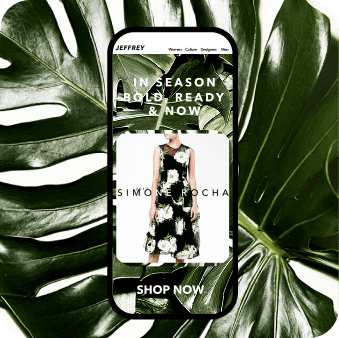
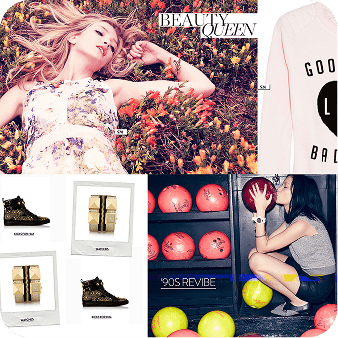
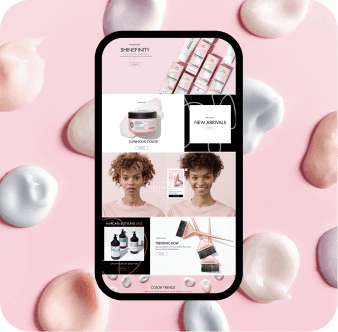
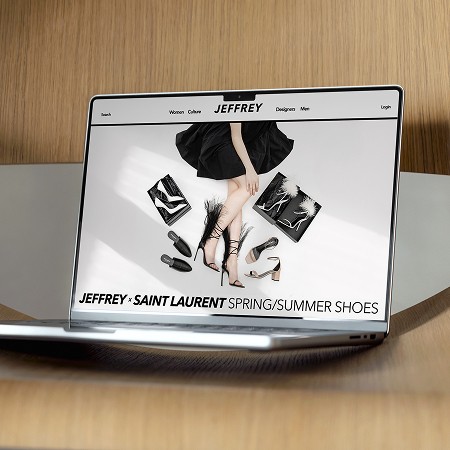
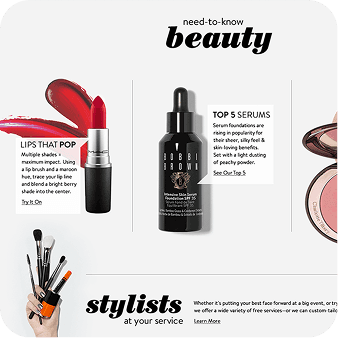
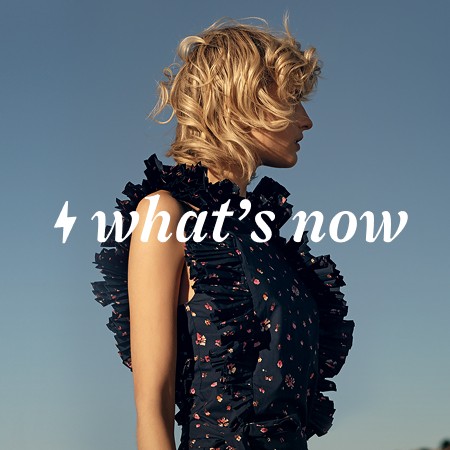
More digital projects


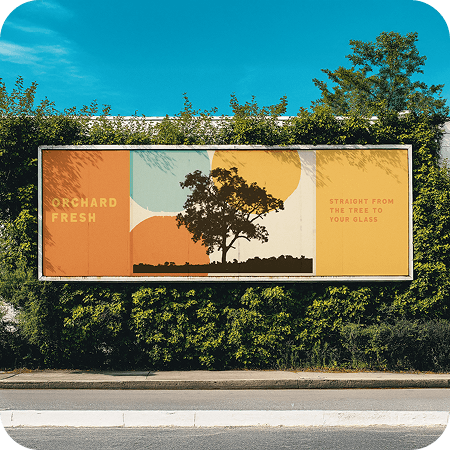
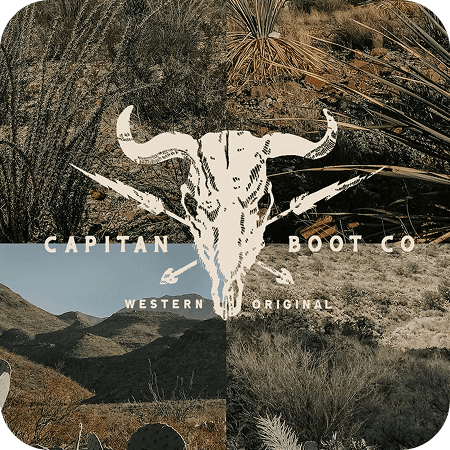
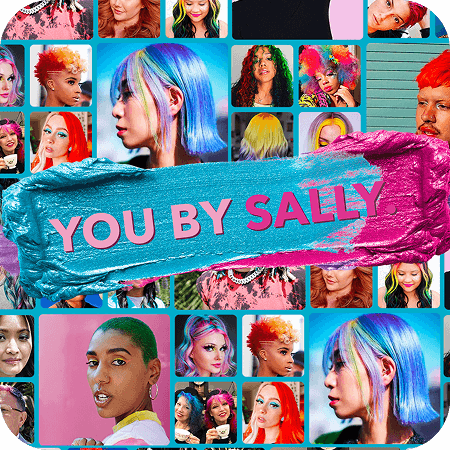
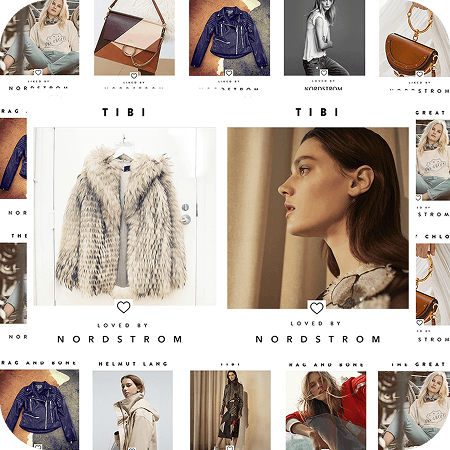
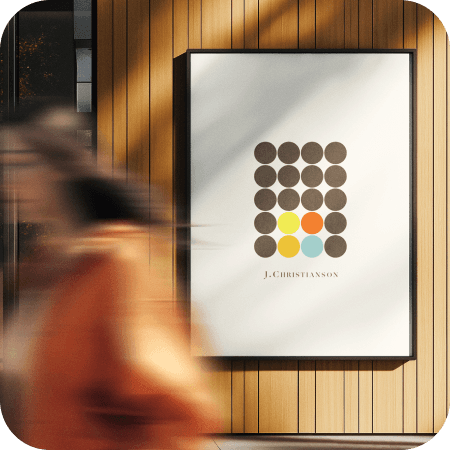
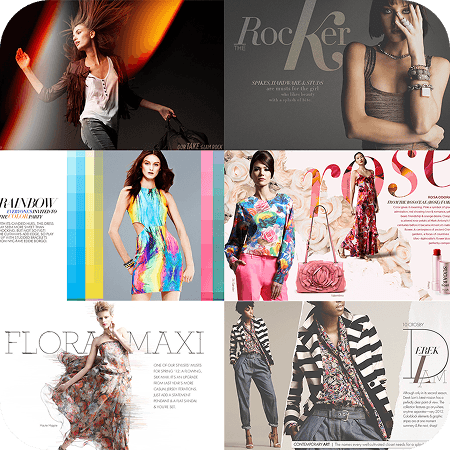
Campaign creative and branding
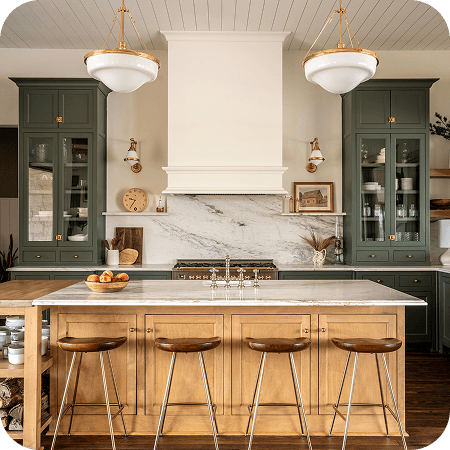
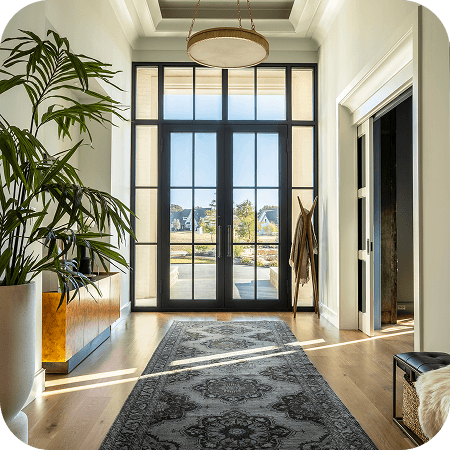
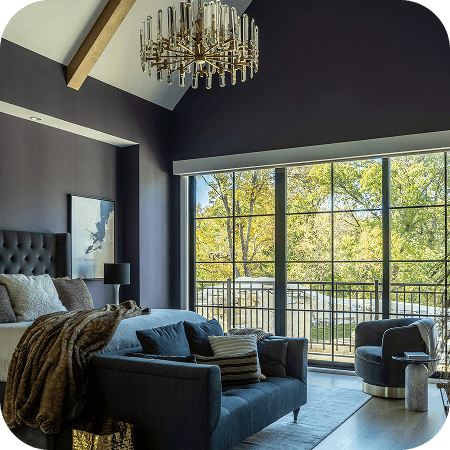
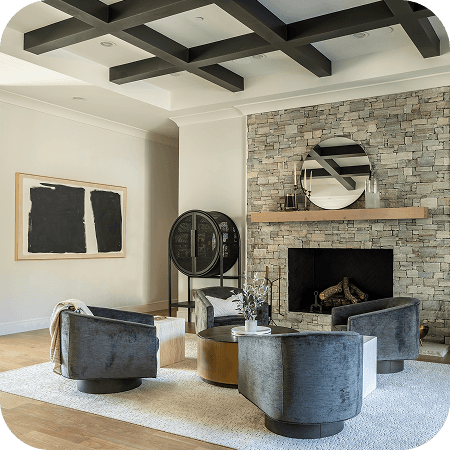
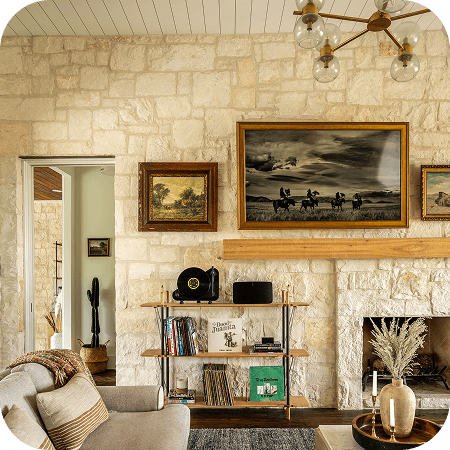
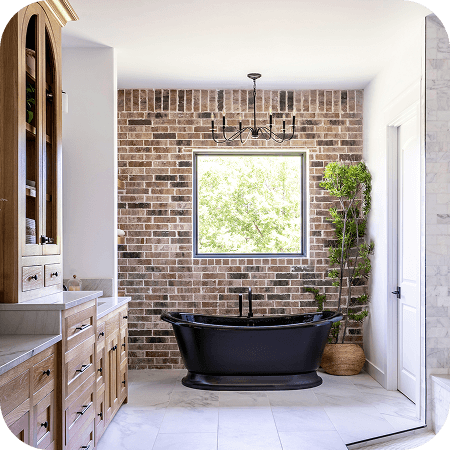
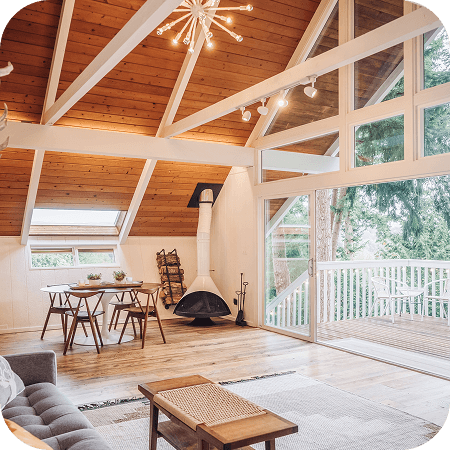
Interior design

More digital projects
Campaign creative and branding
Interior design
More digital projects
Campaign creative and branding
Interior design
More digital projects
Campaign creative and branding
Interior design
Reckon House Staples.
The work of Jeremy Prasatik. Brands, apps, creative direction and interiors. I make things, start to finish. National campaigns to custom homes. Different mediums. Same effort and taste.
I love the work.
Branding
Brand Strategy (Positioning, Voice & Tone)
Creative Direction (Campaign, Art Direction)
Visual Identity (Logo, Typography, Color Systems)
3D & Motion (Spline, After Effects, Renders)
Generative Imagery (Midjourney, Custom LoRA)
Content Systems (Social Grids, Personalized Architecture)
Digital experiences, apps
Full-Stack Engineering (React, Next.js, Tailwind)
AI Integration (LLMs, Computer Vision Expert, API Development)
Rapid Prototyping (AI-assisted development, no-code tools)
No-Code Architecture (Framer, Webflow)
Ecommerce Platforms (Shopify, Enterprise, Custom)
Product Strategy (MVP Definition, Roadmap)
Systems Design (Scalable UI/UX Frameworks)
Interiors
Interior Architecture (Space Planning, Flow)
FF&E Sourcing (Furniture, Fixtures, Equipment)
Custom Fabrication (Millwork Design, Material Selection)
Installation Management (On-site Direction)
Experiential Design (Retail, Pop-up, Event)
Reckon House Staples.
The work of Jeremy Prasatik. Brands, apps, creative direction and interiors. I make things, start to finish. National campaigns to custom homes. Different mediums. Same effort and taste.
I love the work.
Branding
Brand Strategy (Positioning, Voice & Tone)
Creative Direction (Campaign, Art Direction)
Visual Identity (Logo, Typography, Color Systems)
3D & Motion (Spline, After Effects, Renders)
Generative Imagery (Midjourney, Custom LoRA)
Content Systems (Social Grids, Personalized Architecture)
Digital experiences, apps
Full-Stack Engineering (React, Next.js, Tailwind)
AI Integration (LLMs, Computer Vision Expert, API Development)
Rapid Prototyping (AI-assisted development, no-code tools)
No-Code Architecture (Framer, Webflow)
Ecommerce Platforms (Shopify, Enterprise, Custom)
Product Strategy (MVP Definition, Roadmap)
Systems Design (Scalable UI/UX Frameworks)
Interiors
Interior Architecture (Space Planning, Flow)
FF&E Sourcing (Furniture, Fixtures, Equipment)
Custom Fabrication (Millwork Design, Material Selection)
Installation Management (On-site Direction)
Experiential Design (Retail, Pop-up, Event)
Reckon House Staples.
The work of Jeremy Prasatik. Brands, apps, creative direction and interiors. I make things, start to finish. National campaigns to custom homes. Different mediums. Same effort and taste.
I love the work.
Branding
Brand Strategy (Positioning, Voice & Tone)
Creative Direction (Campaign, Art Direction)
Visual Identity (Logo, Typography, Color Systems)
3D & Motion (Spline, After Effects, Renders)
Generative Imagery (Midjourney, Custom LoRA)
Content Systems (Social Grids, Personalized Architecture)
Digital experiences, apps
Full-Stack Engineering (React, Next.js, Tailwind)
AI Integration (LLMs, Computer Vision Expert, API Development)
Rapid Prototyping (AI-assisted development, no-code tools)
No-Code Architecture (Framer, Webflow)
Ecommerce Platforms (Shopify, Enterprise, Custom)
Product Strategy (MVP Definition, Roadmap)
Systems Design (Scalable UI/UX Frameworks)
Interiors
Interior Architecture (Space Planning, Flow)
FF&E Sourcing (Furniture, Fixtures, Equipment)
Custom Fabrication (Millwork Design, Material Selection)
Installation Management (On-site Direction)
Experiential Design (Retail, Pop-up, Event)